As an Amazon Associate, we earn from qualifying purchases. This post contains affiliate links – if you buy through them, we may earn a commission at no extra cost to you.
Choosing a Smart Robot Vacuum comes down to how much work you want to do versus how much you want the machine to handle. While suction power is often the headline feature, the real difference lies in the maintenance cycle—specifically, how often you must empty the dustbin and clean the brushes. Your choice should depend on your floor types, whether you have pets, and how much floor space you need to cover in a single session.
Head to Head on What Matters
Suction Power
The Dreame L40 Ultra Gen 2 leads with 25,000Pa, followed by the iRobot Roomba 415X and eufy E25 at 20,000Pa. The Roborock Qrevo S Pro offers 18,500Pa, while the Tikom Self-Emptying Robot reaches 6,000Pa, the ROPVACNIC provides 5,200Pa, and the ILIFE V5s Max hits 4,000Pa.
These figures represent raw lifting force, but they don’t account for brush efficiency. If you have thick carpets, prioritize models with adjustable suction levels, such as the Dreame L40’s five-level system, which allows you to boost power specifically for rugs. Conversely, if you have hard floors, high suction can sometimes scatter lightweight debris; in these cases, look for robots that offer lower, consistent settings to avoid pushing dust around.
Self-Emptying Capabilities
Maintenance intervals depend on dock capacity and debris type. The iRobot Roomba 415X and Tikom Self-Emptying Robot claim up to 90 days of storage. The eufy E25 uses a 3L bag for 75 days, while the Shark AI Ultra uses a bagless base for 60 days. The Roborock Qrevo S Pro’s 2.7L bag lasts 7–9 weeks.
Without hot air drying, damp mop pads can develop mildew, requiring more frequent manual maintenance.
Navigation Technology
Navigation determines how a robot handles obstacles. The Dreame L40 Ultra Gen 2 uses Smart Pathfinder and 3DAdapt, while the Roborock Qrevo S Pro utilizes AI-powered SmartPlan 2.0. The iRobot Roomba 415X and Tikom Self-Emptying Robot rely on LiDAR. The ILIFE V5s Max uses gyroscope navigation.
If your home has a complex layout with many pieces of furniture, LiDAR is the superior choice; it maps rooms in the dark and avoids repeated passes. If you choose a gyroscope-based model, expect less precision in large, open-plan spaces, as these units rely on internal sensors rather than external laser mapping to track their position.
What the Numbers Mean for You
When comparing these vacuums, focus on the gap between your home’s needs and the machine’s maintenance schedule. A high suction number like 25,000Pa sounds impressive, but it’s most useful for deep-pile carpets or heavy pet hair. If you have mostly hard floors, you may find that the convenience of a self-emptying base saves you more time than extra suction power ever could.
Maintenance intervals vary drastically based on the dock design. Some models feature debris bags that hold dust for up to 90 days, while others require manual intervention every 60 days. If you own pets, look for systems that offer self-cleaning brushrolls or tangle-free rubber brushes. These prevent hair wrap, which is a common failure point that forces users to stop the machine and manually clear debris.
Most modern robots now use LiDAR for mapping, which is significantly more accurate than basic bump-and-turn or gyroscope methods. When choosing a model, verify your home network supports the required 2.4GHz Wi-Fi, as many of these units won’t connect to 5GHz bands. If your home has multiple floor plans, check the app specifications; some robots support up to 5 saved maps, while others lack multi-floor capability entirely. Finally, if you have carpets, confirm the robot has an automatic mop-lifting feature to prevent wet pads from dragging across your rugs.
1. dreame L40 Ultra Gen 2 Robot Vacuum and Mop

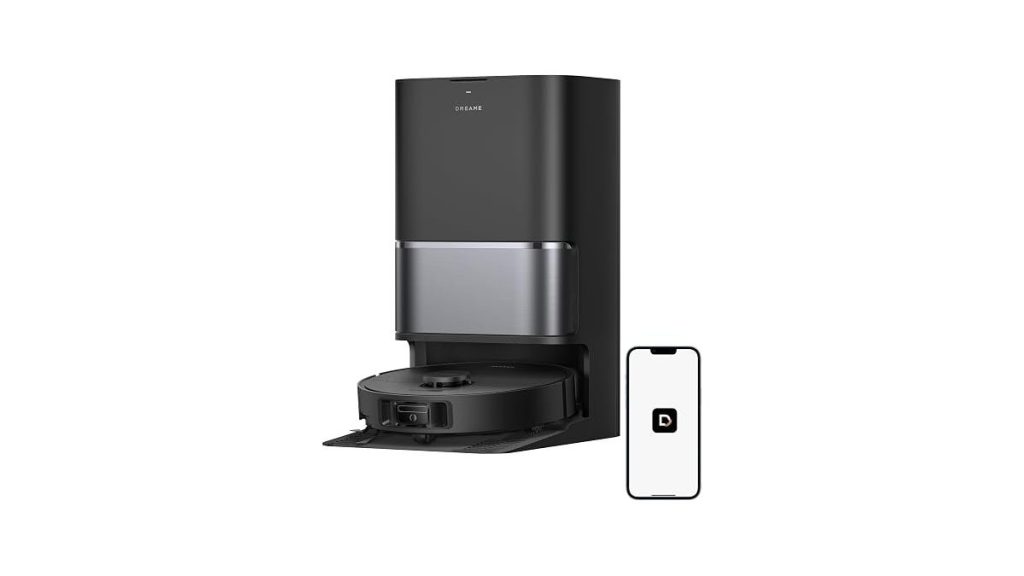
The Dreame L40 Ultra Gen 2 is built for users who prioritise raw power and corner cleaning. It uses an extendable brush and mop system to reach areas where standard circular robots often struggle. This model isn’t for someone seeking a simple, low-tech solution, as the advanced app features and modular accessories require some initial setup time.
Best for: Homes needing maximum suction and edge cleaning.
Pros
- 25,000Pa suction power with 5 adjustable levels.
- Extendable brush and mop for corners and furniture gaps.
- Robust 5,200mAh battery offering 231 minutes of runtime.
- Smart Pathfinder and 3DAdapt technologies for precision navigation.
Cons
- Optional detergent dispenser requires a separate purchase.
- Supports 2.4GHz Wi-Fi only, limiting network compatibility.
You can manage your energy usage by scheduling off-peak charging through the app.
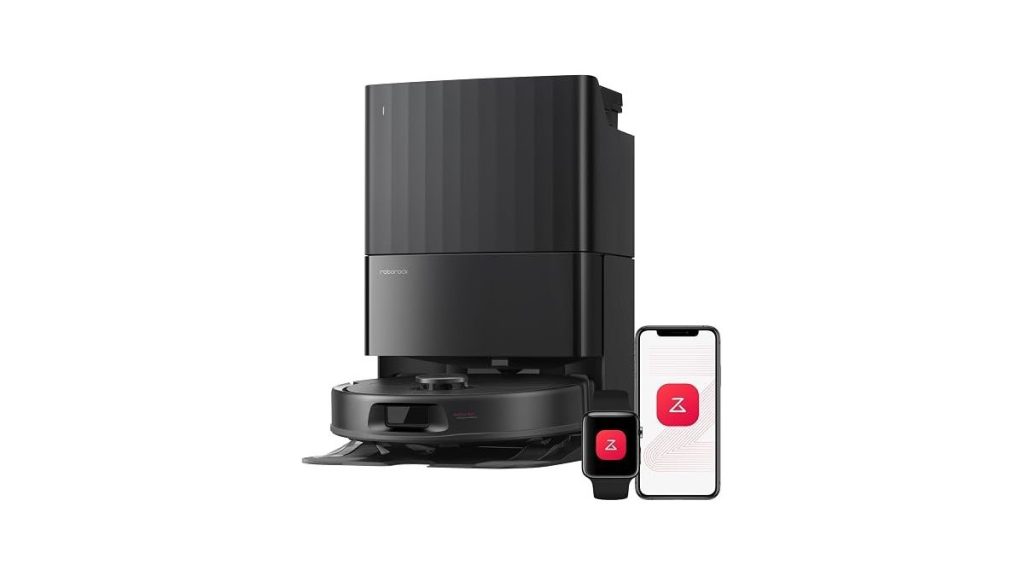
2. roborock 2026 New Qrevo S Pro Robot Vacuum and Mop
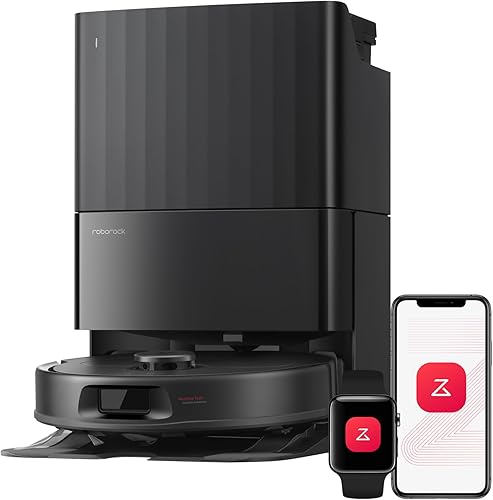
The Roborock Qrevo S Pro focuses on a balanced “hands-free” experience. It cleans its own mops with high-temperature water and dries them with warm air, which helps reduce the chance of unpleasant odours in your home. This robot is well-suited for busy households, though the 2.7L dustbag capacity is slightly lower than some 90-day alternatives.
Best for: Busy households requiring regular mop maintenance.
Pros
- 167℉ high-temperature mop self-cleaning.
- Anti-tangle rubber main brush.
- AI-powered SmartPlan 2.0 navigation.
Cons
- Dustbag capacity is lower than some competitors.
- 2.4GHz Wi-Fi only.
3. iRobot Roomba 415X Robot Vacuum & Mop Combo

The iRobot Roomba 415X is designed for those who want to forget about vacuuming for as long as possible. The long-term self-emptying dock is its standout feature, paired with a slim design that fits under lower furniture than the Roomba 105. It isn’t the right choice for users who prefer a strictly manual vacuuming experience without app-based scheduling.
The unit uses 20,000 Pa of suction and DualClean pads to handle spills before they harden. If you have pets, the tangle-free rubber brushes are essential; they capture fur without the constant need to cut hair away from the rollers.
The decision rule is simple: if you have mixed flooring, this model excels by lifting its mops 10mm over rugs. This prevents carpets from getting damp while the robot mops your hard floors. However, ensure your floor plan is clear of major clutter, as the LiDAR mapping relies on obstacle recognition to avoid shoes and cords.
Best for: Long-term hands-free cleaning.
Pros
- 90-day self-emptying dock capacity.
- 46% slimmer design compared to Roomba 105.
- SmartScrub pressure technology for tough stains.
Cons
- Requires app setup for full functionality.
4. eufy E25 Robot Vacuum and Mop Combo

The Eufy E25 uses a unique HydroJet system to refresh its roller mop twice per second. This prevents the robot from dragging dirty water across your floors, making it a strong choice for those who value deep-cleaning hygiene. It effectively removes tough stains like coffee and sauce while the CornerRover arm extends to scrub along baseboards and furniture legs.
For pet owners, the DuoSpiral anti-tangle brushes are designed to minimize clogs and manual maintenance. The all-in-one station offers true hands-free convenience, auto-emptying dust into a 3L bag that lasts up to 75 days. It also self-washes the mop and dries it with 50°C hot air.
If you have a large home, the laser-guided navigation manages up to five floor plans. However, ensure your network supports standard wireless frequencies, as the device is incompatible with high-speed 5GHz bands. While the 10.8mm mop lift protects carpets, the 21mm climbing limit defines your threshold navigation. If your home features high transitions, check your floor heights before purchasing.
Best for: Advanced mopping and hygiene.
Pros
- HydroJet system refreshes mops constantly.
- 3L self-emptying bag lasts up to 75 days.
- CornerRover arm for edge scrubbing.
Cons
- 2.4GHz Wi-Fi only.
- 21mm climbing limit.
5. Shark AI Ultra Robot Vacuum

The Shark AI Ultra distinguishes itself through a bagless self-emptying base, which eliminates the frustration of purchasing replacement dustbags.
The vacuum utilises a precision grid pattern known as Matrix Clean. By taking multiple passes over a single area, it ensures a deeper clean than standard random-path robots. If you have pets, the self-cleaning brushroll is essential; it actively lifts hair from both carpets and hard floors to prevent tangles.
However, this model isn’t for users requiring integrated mopping, as it focuses exclusively on vacuuming. While the 90-minute runtime is sufficient for most homes, the robot will automatically return to its dock to recharge before resuming if the job remains unfinished.
Best for: Pet owners prioritising a bagless system.
Pros
- Bagless base lasts 60 days.
- Matrix Clean precision grid pattern.
- Self-cleaning brushroll prevents hair wrap.
Cons
- No integrated mopping function.
- 90-minute runtime.
6. iRobot Roomba 105 Vac Robot Vacuum

The iRobot Roomba 105 is a straightforward, reliable vacuum for those who want LiDAR navigation without the complexity of a mop. It’s designed to clean in neat rows, which is significantly more efficient than random-path models. This robot isn’t intended for people who need a 2-in-1 machine that handles both vacuuming and mopping simultaneously.
The 105 utilises 70 times more power-lifting suction than the 600 series, making it ideal for homes with heavy dust or pet hair. If you have specific high-traffic zones, use the app to trigger a spot clean; the robot will focus on that area for up to five minutes.
Best for: Precise LiDAR navigation on a budget.
Pros
- ClearView LiDAR mapping ensures systematic coverage.
- Spot cleaning mode targets spills effectively.
- Recharges and resumes cleaning automatically to finish large jobs.
Cons
- No mopping capability; strictly a dry vacuum.
- Requires manual emptying of the dustbin.
- Doesn’t offer automatic self-emptying features, meaning you must monitor the bin capacity yourself to maintain peak suction performance.
7. Tikom Robot Vacuum and Mop

The Tikom Self-Emptying Robot offers a seasonal maintenance interval through its 3L dustbag, which holds weeks of debris. It’s an excellent entry point for those new to self-emptying technology.
The device features 6000Pa suction that automatically increases when it detects carpet. Its LiDAR navigation creates precise maps, allowing you to save up to five floor plans. You can manage these maps via the app to set virtual walls and no-go zones.
However, this model isn’t for users who want a fully automated experience without configuration. You must manually establish no-mop zones or remove the mop holder before cleaning to prevent the device from dirtying your carpets. If you fail to take this step, the robot will treat carpeted areas as mop-ready surfaces.
Best for: Entry-level self-emptying convenience.
Pros
- 90-day self-emptying dustbag.
- 6,000Pa suction power.
- 150-minute runtime in gentle mode.
Cons
- Mop holder must be removed for carpet areas.
8. Lefant Robot Vacuum Cleaner

The Lefant M210 is built for tight spaces, featuring a very slim 2.99-inch height and an 11-inch diameter. This makes it perfect for getting under low-clearance beds and sofas where larger robots can’t fit. It isn’t for people who want high-capacity self-emptying, as this model doesn’t include a dock that empties the dustbin for you.
The brushless suction port is a major advantage for pet owners. Unlike traditional roller brushes, this design ensures that pet hair and dirt go directly into the dustbin without tangling.
If you’re struggling to connect your device, ensure you’re using the new Lefant App rather than the legacy Lefant Life version. When choosing a cleaning path, remember the decision rule: use manual or random modes for carpets, but avoid the Zigzag mode on carpeted surfaces. Finally, note that the 120-minute runtime is only achievable in low suction mode.
Best for: Cleaning under low furniture.
Pros
- Slim 2.99-inch profile.
- Brushless suction port prevents hair tangles.
- Up to 120 minutes of runtime.
Cons
- No self-emptying dock.
- No LiDAR mapping.
9. ILIFE V5s Max Robot Vacuum

The ILIFE V5s Max is a compact robot designed specifically for systematic cleaning on hard floors. The inclusion of a remote control is a major plus for those who prefer not to use an app for every command. It isn’t for users who need a robot to store multiple floor maps, as it lacks mapping technology.
If you have low-pile carpets, the 4000Pa suction power in Spot Mode handles debris effectively. However, you must ensure your home network uses standard wireless frequencies for app connectivity, as 5GHz bands aren’t supported.
The decision rule is simple: choose this model if you want a low-profile 2.99-inch unit that navigates via gyroscope to reduce missed spots. If you require advanced room-specific mapping or mopping capabilities, look elsewhere. Avoid this vacuum if you expect it to remember your home layout, as it cleans systematically without saving a permanent map.
Best for: Compact, systematic hard-floor cleaning.
Pros
- Gyroscope navigation for systematic routes.
- Remote control included.
- Slim 2.99-inch design.
Cons
- No mapping function.
- Vacuum only; no mopping.
10. ROPVACNIC Robot Vacuum and Mop Combo 5200Pa Suction Robotic Cleaner

The ROPVACNIC Robot Vacuum is aimed at hard-floor households that need a blend of mopping and suction power. The 5,200Pa suction is strong for its class, and it’s specifically designed for pet owners who want to avoid tangles. It isn’t for users looking for high-end features like auto-detergent dispensing or heat-drying mops.
Best for: Daily hard floor maintenance.
Pros
- 5,200Pa suction power.
- Dual rotating side brushes for pet hair.
- Four-stage water adjustment system.
Cons
- Lacks advanced dock features like auto-drying.
The decision rule is simple: if you struggle with pet hair, the ROPVACNIC’s no-entanglement design is your primary advantage over traditional roller brushes. If you prioritize deep cleaning, use the four-stage water adjustment to match the stain level to your specific floor type, whether wood or low-pile carpet.
A common mistake is assuming the robot handles all floor types equally. While the compact design excels at reaching under low furniture, it isn’t built for high-pile rugs.
The iRobot Roomba 415X is the most capable choice for those who value long-term maintenance cycles, while the Shark AI Ultra is the best choice for a user who wants to avoid the need for replacement bags. If you’re unsure which axis matters most, consider where your greatest daily frustration lies: if it’s the dustbin, go for a self-emptying model; if it’s furniture clearance, choose a slim unit like the Lefant Robot Vacuum.
Frequently Asked Questions
Is a bigger suction number always better?
Not necessarily. While higher Pa ratings indicate stronger motor force, the effectiveness of a vacuum depends on the brush design and how well the machine seals against the floor. A robot with lower suction but a better brush roll may actually pick up more pet hair and debris than a powerful motor that lacks the right contact mechanism.
What does an unlisted spec mean for me?
If a specification isn’t listed, it’s best to assume it isn’t a primary feature of that product. For example, if a model doesn’t mention mapping, it likely uses a simpler navigation method. Don’t assume a feature exists just because it’s common in other models; always rely on the provided product data.
How do I compare two different navigation units?
Comparing navigation is about the level of intelligence. LiDAR is generally the most precise, as it builds a real-time map of your home. Gyroscope navigation is systematic but less detailed, while basic sensors rely on physical contact to change direction. Choose LiDAR if you have a complex floor plan with many obstacles.
Does a longer runtime mean a better battery?
A longer runtime is useful for large homes, but it’s often measured in the lowest power mode. Always look at the specific conditions of the runtime claim. A robot that runs for 150 minutes in “gentle” mode may have a much shorter life when running at full suction power on a carpet.
Conclusion
Once you’ve found a model that fits your lifestyle, don’t just set it and forget it. Take a moment to clear the floor of loose cords or small toys before the first run. You’ll find that a little bit of preparation really helps your new helper keep things spotless every day.

2 thoughts on “10 Best Smart Robot Vacuums for Hands-Free Floor Cleaning”