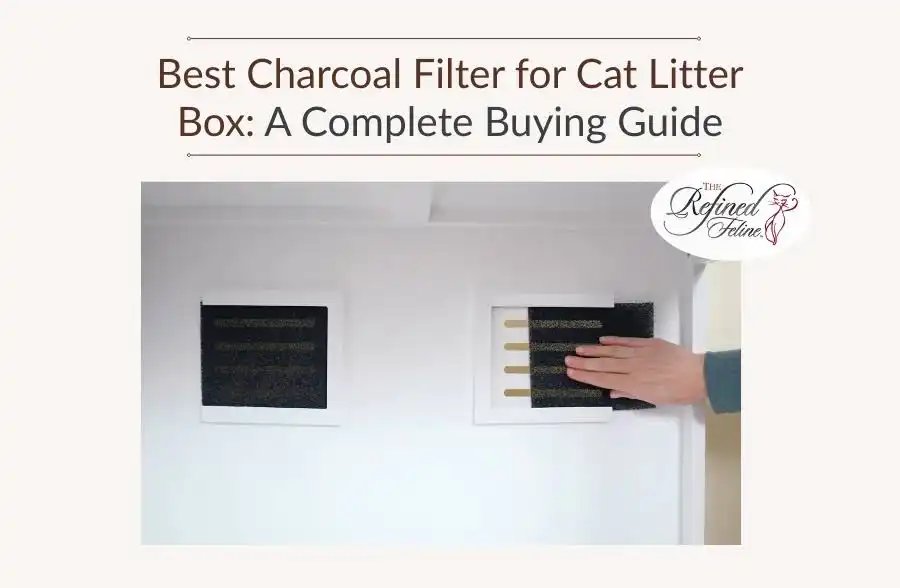
Choosing the right home for your cat’s waste depends on your space and your pet’s size, but you should always aim for a box at least 1.5 times the length of the cat from nose to tail. A larger container prevents accidents and ensures your cat feels comfortable.
Buying the right litter box

You don’t need a fancy design, but you do need enough space for your pet to move. Follow these steps to pick the right one:
- Measure your cat: Use a tape measure from the tip of the nose to the base of the tail.
- Calculate the length: Multiply that length by 1.5 to get the minimum interior length for the box.
- Assess your space: Ensure you have enough floor area for a box of that size in a quiet, low-traffic corner.
- Consider the height: Older cats need low sides for easy entry, while kittens may struggle with high walls.
- Decide on a cover: Open boxes allow better airflow and are easier to clean, which helps reduce odours.
| Box Type | Best For | Main Trade-off |
|---|---|---|
| Open Tray | Most cats | Spilling litter |
| Covered Hood | Privacy | Trapped smells |
| High-Sided | Messy diggers | Harder entry |
Why the location matters more than the style
Even the most expensive unit will fail if it’s in the wrong spot. Cats are sensitive to noise and prefer locations where they can see their surroundings to feel safe. Provide one box per cat plus an extra one to avoid territorial stress.
Tip: If you’re switching from an open box to a covered one, leave the lid off for a week so your cat gets used to the new shape.
Common mistakes to avoid
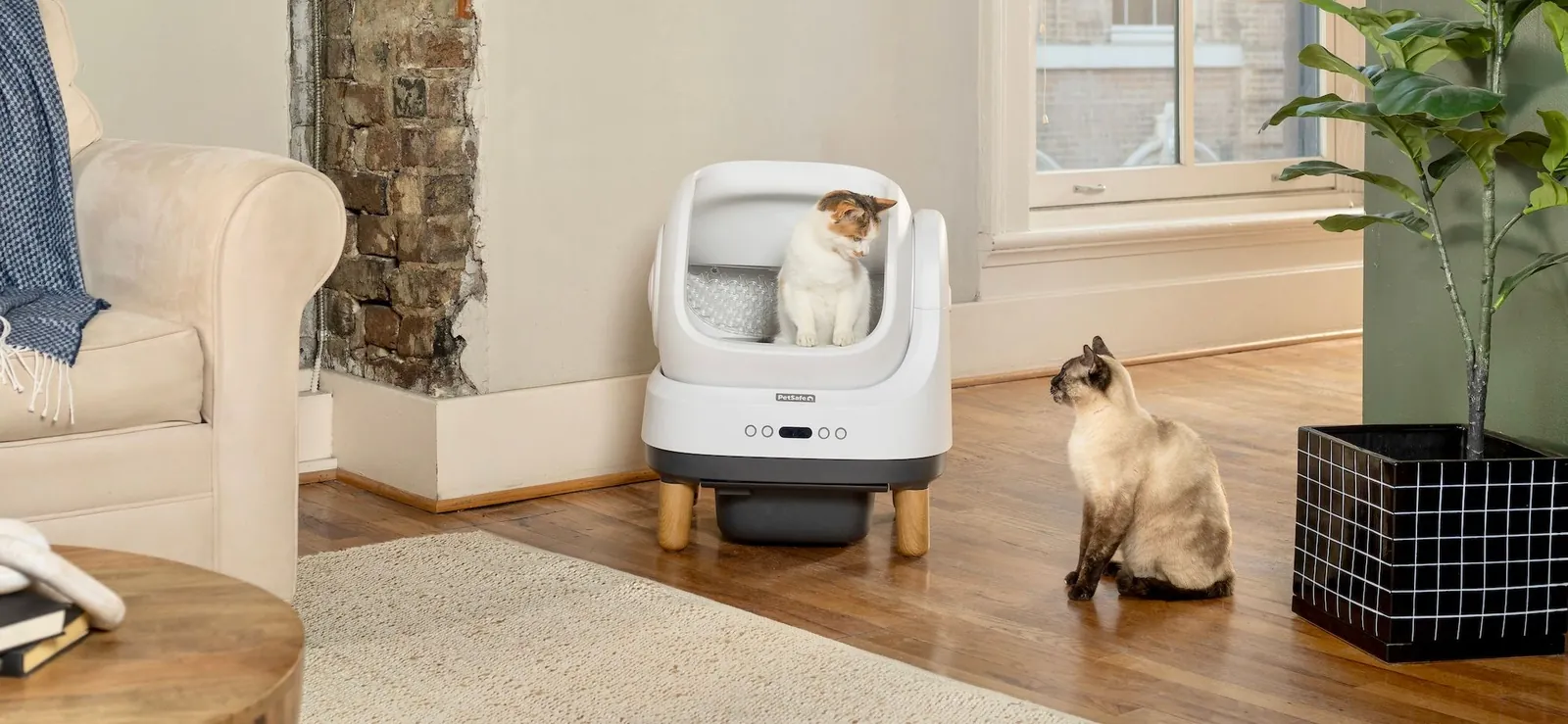
Many owners buy based on how the product looks in their home rather than how it functions for the cat. Avoid boxes with battery-operated cleaning parts if your cat is easily startled by noise. Additionally, don’t use liners if your cat has a habit of scratching; they’ll shred the plastic, which creates more mess and frustration.
Related guides
- 10 Best Automatic Cat Litter Box Models for Reliable Cleaning
- 10 Best Self-Cleaning Litter Box Picks for Your Home
- 10 Best WiFi Litter Box Picks for Easier Daily Clean-up
Frequently Asked Questions
Is it safe to use a self-cleaning box for a kitten?
It’s generally not safe. Kittens can become trapped or frightened by the moving parts, so stick to a simple, low-sided tray until they’re fully grown and confident.
How often should I replace the box?
Scratches from claws trap bacteria that soap and water can’t remove, causing lingering smells.
Can I place the box inside a closet?
You can, provided the door stays open and there’s enough light and airflow. If the space is too cramped or dark, your cat will likely find a better spot elsewhere.
Start by measuring your cat’s length today to confirm your current setup provides enough room. If your cat is currently avoiding the box, move it to a quieter, more open location before buying a new one.
Conclusion
Once you’ve picked the perfect spot, keep a close eye on how your cat reacts over the first few days. If they seem hesitant, don’t worry—it’s just an adjustment period. You’ll soon see them settling in comfortably, and you won’t have to stress about messy accidents around your home anymore.


1 thought on “Litter Box Buying Guide: How to Choose the Right Size for Cats”