To find the right litter box for your cat, you should pick a tray that’s at least 1.5 times the length of your pet’s body and place it in a quiet, low-traffic area. Ensure the sides are low enough for kittens or seniors with stiff joints to enter easily.
How to choose the right litter box
- Measure your cat: Use a tape measure to get the length from your cat’s nose to the base of their tail. Multiply this by 1.5 to find the minimum length required for their box.
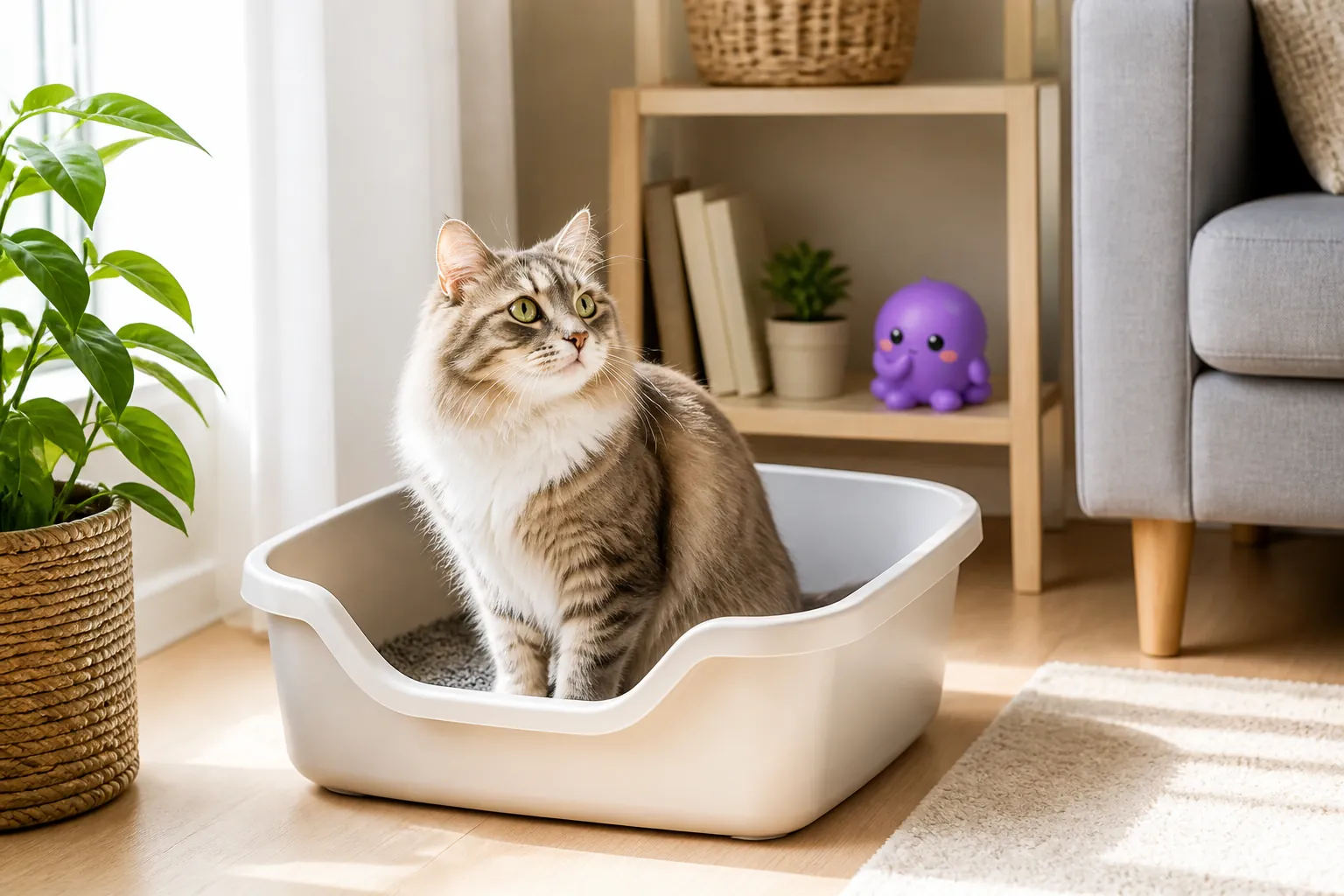
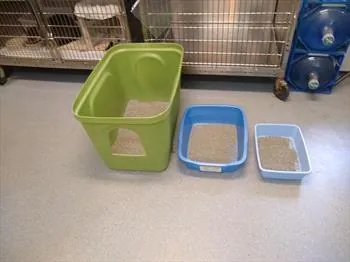
- Evaluate the walls: Choose low-sided trays for kittens or older cats. High-sided boxes help prevent scatter, but only if your cat can comfortably step over the edge without strain.
- Pick the style: Decide between open trays or covered boxes. While owners often prefer covered boxes to hide odours, many cats feel safer in open trays where they can see their surroundings.
- Consider the placement: Choose a spot that’s easy for your cat to reach but away from noisy appliances or busy walkways. Cats need privacy to feel secure when using the bathroom.
- Test the count: Use the “one per cat plus one” rule to ensure you have enough space for everyone in your home. This prevents territorial issues and keeps the environment clean.
Box sizes and cat needs
| Cat Size | Minimum Length | Recommended Type |
|---|---|---|
| Kitten | 30 cm | Shallow tray |
| Adult | 50 cm | Standard open box |
| Large Breed | 70 cm | Extra-large open tray |
Tip: If your cat is nervous, start with an open box without a lid so they can monitor the room while they do their business.
Avoiding common mistakes
Why does my cat ignore the new box?
If your cat refuses the new setup, check the location. Cats avoid boxes placed near loud washing machines or in dark, scary corners. Move the tray to a quiet, accessible spot and ensure it’s cleaned daily, as per the American Society for the Prevention of Cruelty to Animals guidelines on feline hygiene.
Is a self-cleaning box worth it?
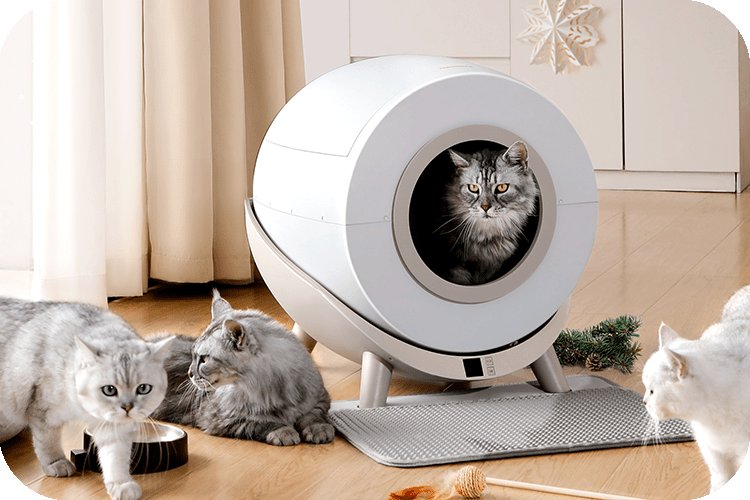
These gadgets are convenient but can be loud and intimidating. Some cats are frightened by the mechanical noise and may avoid the box entirely. If you choose an automatic version, keep a manual tray nearby for the first few weeks to ensure your cat stays comfortable.
Frequently Asked Questions
Can I use a storage bin as a litter box?
Yes, a large plastic storage bin is a cost-effective alternative to commercial boxes. Just ensure you cut an opening in one side and sand the edges until they’re smooth to prevent injury.
Do cats prefer scented litter?
No, cats often dislike strong artificial scents because their sense of smell is very sensitive. It’s better to use unscented, clumping litter and scoop it at least once a day.
Conclusion
Start by observing where your cat currently spends their time and place the new tray in a nearby, quiet corner. If you notice your cat avoiding the box, try switching to a different type of litter or removing the cover to see if their behaviour improves.