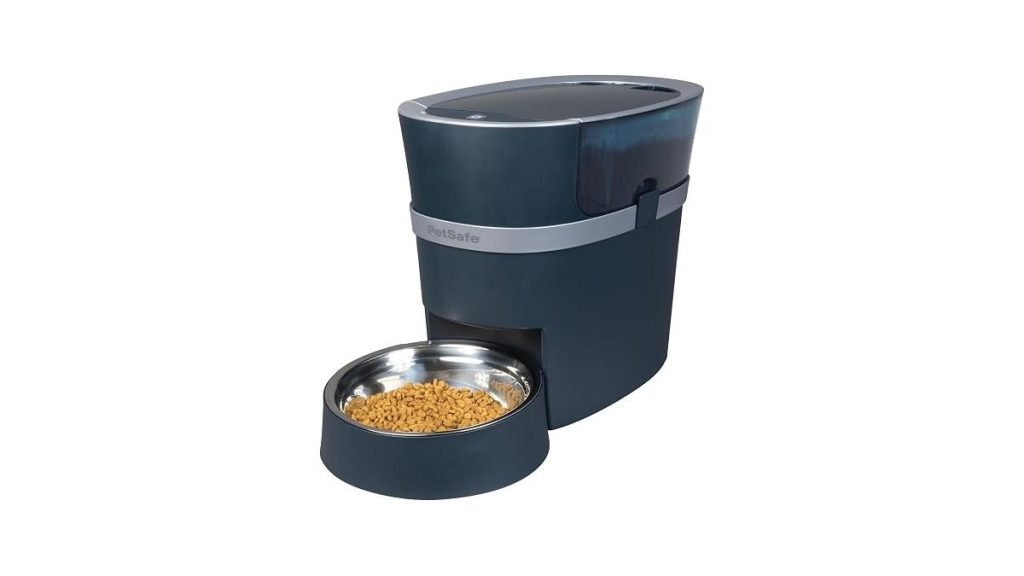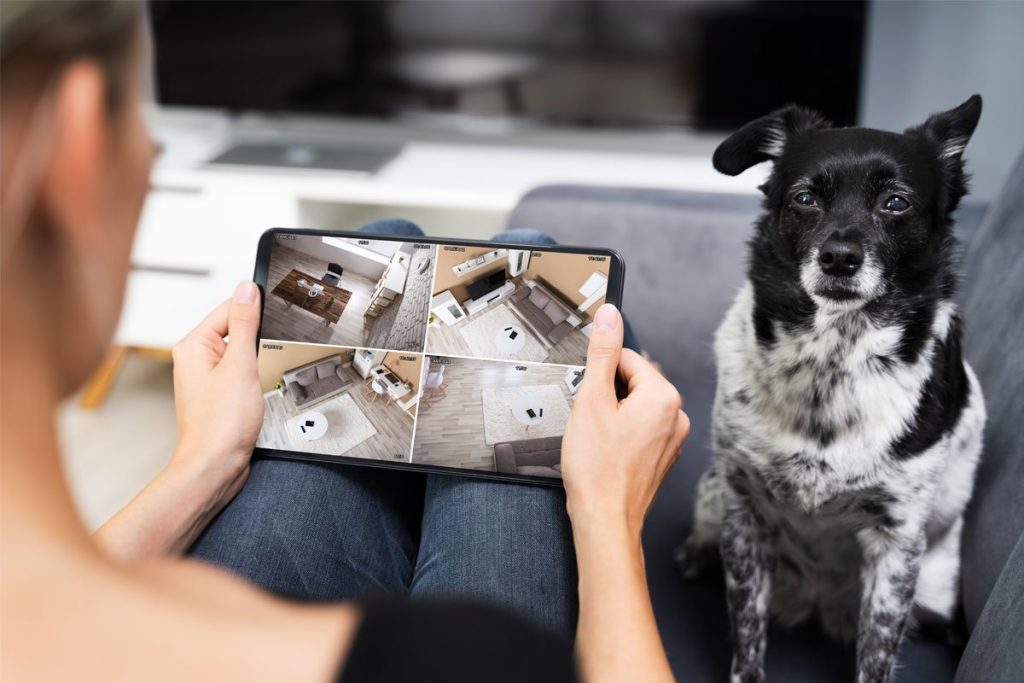
Using smart pet technology effectively involves choosing devices that solve specific problems, such as managing meal portions or monitoring health, rather than buying gadgets that simply add complexity. Most reliable systems focus on automating daily care, reducing your workload while ensuring your animal’s routine remains consistent regardless of your schedule.
Selecting the best smart technology
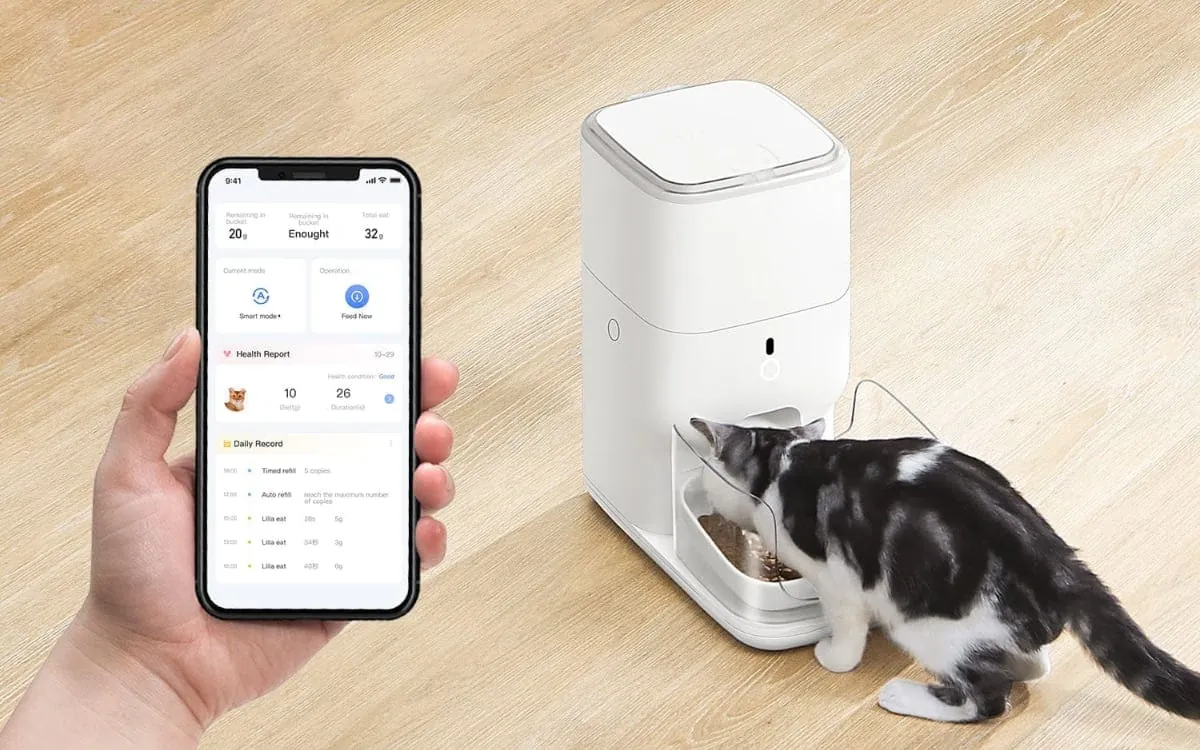
When selecting connected tools for your home, focus on the problem you want to solve. Avoid devices that require constant manual input, as the goal is to gain time, not lose it. Check the compatibility with your existing home network before buying, as many units struggle with weak signals in corners of a house.
| Device Type | Primary Benefit | Best For |
|---|---|---|
| Automatic feeders | Portion control | Weight management |
| GPS trackers | Real-time location | Active escape artists |
| Smart cameras | Remote interaction | Separation anxiety |
| Self-cleaning boxes | Waste management | Multiple cat households |
Is It Safe to Use These Devices?
Most modern pet gadgets are safe if you follow the manufacturer’s setup instructions and keep cables away from chewing zones. You should verify that any device with a heating element or motor meets recognized electrical safety standards, such as UL or ETL, to ensure it won’t overheat or pose a fire risk. Always check that the app associated with your hardware receives regular security updates to protect your home network from unauthorized access.
Tip: Start by using a new device while you’re home for a few days to ensure your animal accepts the change before relying on it during long absences.
Mistakes That Ruin the Experience
Many owners over-rely on technology and stop observing their pet’s natural behaviour. A camera can show you that your dog is resting, but it can’t replace the physical check needed to spot early signs of illness or discomfort. Don’t let a “set and forget” mentality replace your daily interaction.
Another common error is failing to maintain the equipment. Sensors get dusty, water filters clog, and batteries degrade. If you don’t clean the sensors in an automatic feeder or water fountain, the device might fail to trigger or provide incorrect data, which could lead to missed meals or dehydration.
Frequently Asked Questions
Can I monitor my pet’s health with these tools?
You can track activity levels and sleep patterns using smart collars, but these devices don’t diagnose medical conditions. Always consult your vet if you notice a sudden change in behaviour or appetite, even if the data looks normal.
Do I need a subscription for these devices?
Some manufacturers require monthly fees to unlock cloud storage for video or advanced health reports. Check the product packaging or the official website for hidden costs before you commit to a specific brand.
Conclusion
Focus on one area of your pet’s routine that needs improvement, such as consistent feeding times or activity tracking. Test the device during your normal routine for at least one week to confirm it works reliably for your household before leaving it in charge of your pet’s needs.