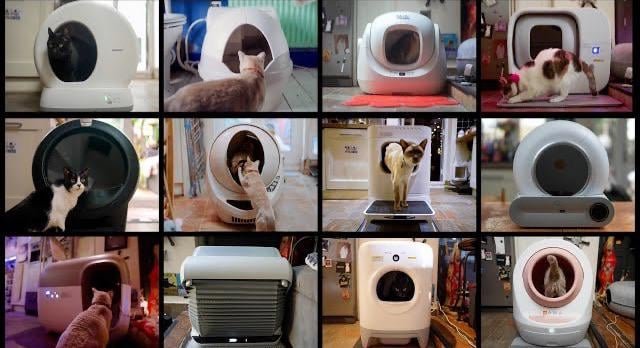
An automatic litter box is expensive relative to manual alternatives, and it uses sensors to detect when a cat leaves before automatically raking or rotating waste into a sealed bin.
Key Features to Consider
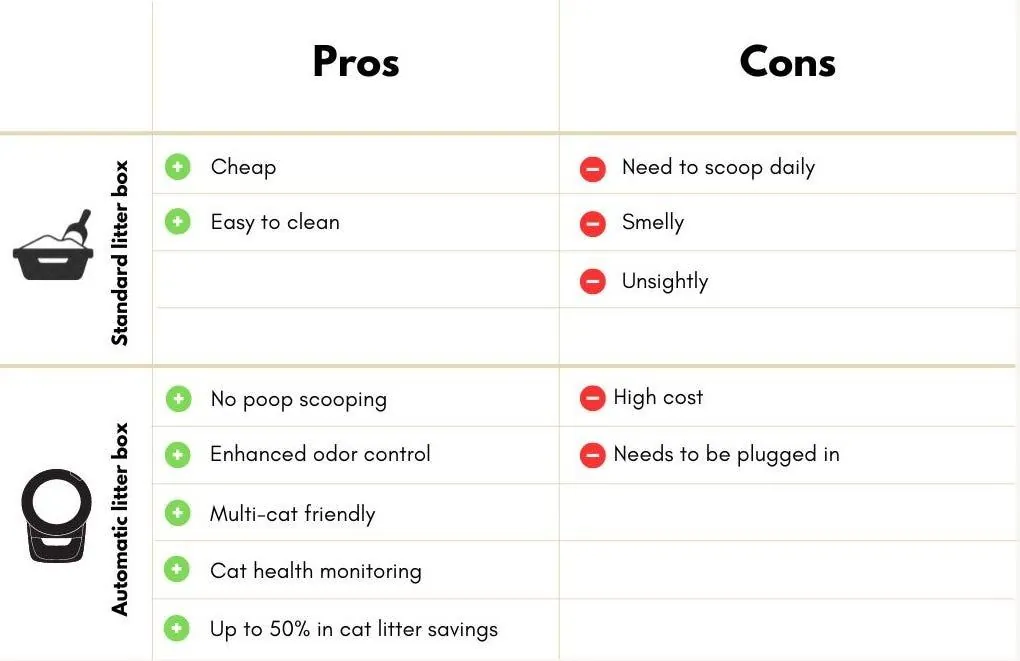
When you compare these systems, look for how they handle waste storage and how they interact with your cat. Most models use a rotating drum or a motorised rake, but the primary differences lie in the sensors and the app connectivity.
| Feature | Raking System | Rotating Drum |
|---|---|---|
| Cleaning Speed | Fast | Slower |
| Litter Type | Crystal/Clumping | Clumping Only |
| Maintenance | Frequent | Periodic |
Tip: Ensure your cat weighs at least 2.5kg, as many sensors won’t trigger for smaller kittens or lightweight pets.
How to Choose the Right Automatic Litter Box
Selecting the best unit depends on your home layout and your cat’s size. Large cats often feel cramped in smaller enclosed boxes, which can lead to them avoiding the tray entirely. Check the interior dimensions against your cat’s height while standing.
- Measure your space: Check the footprint to ensure it fits where your current tray sits.
- Review the bin capacity: Larger bins mean you’ll empty the waste drawer every 10 to 14 days.
- Test the noise level: If you place the box near a bedroom, look for models with a ‘sleep mode’ or quiet motor.
- Check the app features: Some units track health data, such as how often your cat uses the box, which helps spot early signs of illness.
- Verify the warranty: Look for at least a 12-month guarantee, as mechanical failures are more common than in manual trays.
Are There Any Safety Risks?
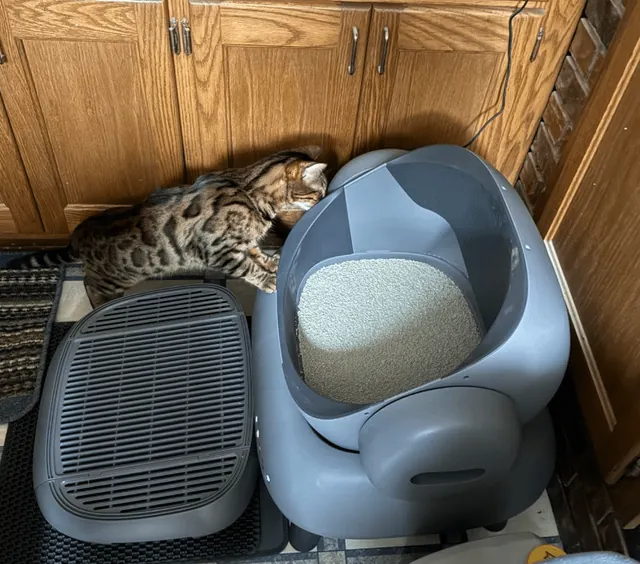
Modern units include infrared or weight-based sensors that stop the cleaning cycle immediately if they detect movement. According to the Consumer Product Safety Commission, manufacturers must follow strict standards to ensure these motors don’t pose a crushing hazard to pets. Always test the safety stop feature during your first week of use by gently placing your hand near the sensor while the cycle begins. If the device doesn’t pause, stop using it and contact the manufacturer for a replacement unit.
Frequently Asked Questions
Do I need special litter?
Most rotating drum models require hard-clumping clay litter to ensure waste slides into the bin without sticking. Crystal litter works better for raking systems, so check your specific manual to avoid mechanical jams.
How often should I deep clean the tray?
You should empty the entire unit and wipe down the interior surfaces every 4 to 8 weeks. Even with automatic cleaning, residual dust and odours build up on the plastic walls over time.
Can I use this for multiple cats?
Yes, but you’ll need to empty the waste bin twice as often to manage the volume. Most manufacturers suggest one box for every two cats to prevent territorial issues.
Conclusion
Before purchasing, measure the exact area where you plan to place the unit, including a small clearance for the waste drawer to slide out. If your cat is nervous, place the new box next to the old one for a week before removing the manual tray.