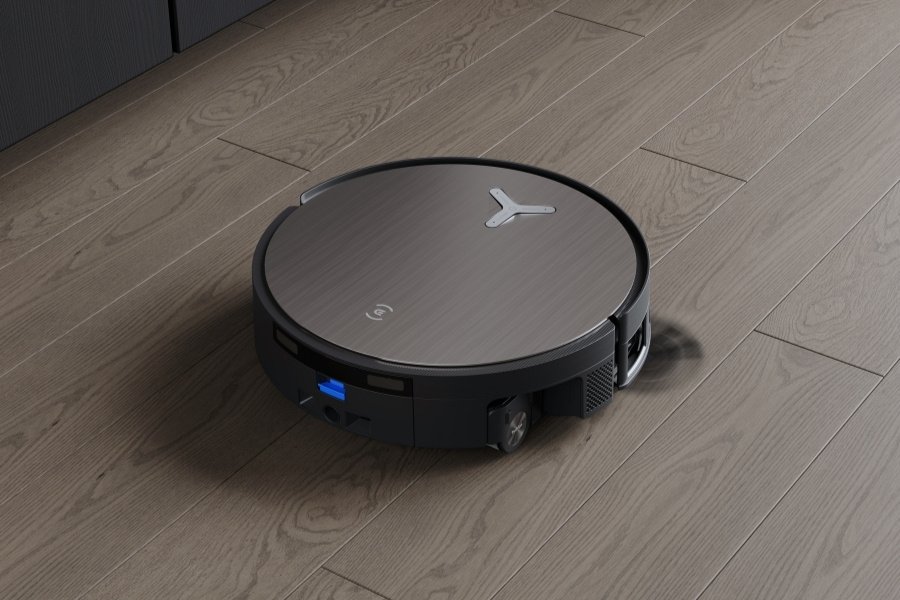
To choose a robot vacuum, you should first measure your floor space and identify your primary cleaning needs, such as pet hair removal or deep carpet scrubbing. Most homes benefit from models with intelligent mapping, while smaller spaces get by with basic bump-and-turn units that cost significantly less to operate.
Choosing the best robot vacuum
- Assess your floor types. If you have mostly hard floors, look for a unit with rubber rollers to avoid scratches and better suction for dust.
- Measure your furniture clearance. Check that your sofa and bed frames are at least 10cm high so the robot can slide underneath them easily.
- Verify mapping technology. Choose a unit with LiDAR or camera-based navigation if you have a complex layout, as it prevents the robot from missing spots.
- Consider your pet situation. Look for models with tangle-free brushes if you have shedding animals, as long hair ruins standard brush rolls quickly.
- Check the bin capacity. Larger homes need self-emptying bases to avoid daily maintenance, which the Environmental Protection Agency identifies as a factor in maintaining consistent performance.
| Feature | Best For | Maintenance Level |
|---|---|---|
| Basic Navigation | Small flats | High |
| Mapping/Laser | Large homes | Low |
| Self-Emptying | Pet owners | Very low |
Tip: Always check the width of your narrowest hallway, as some larger robotic units can’t navigate gaps under 40cm wide.
Common Mistakes to Avoid
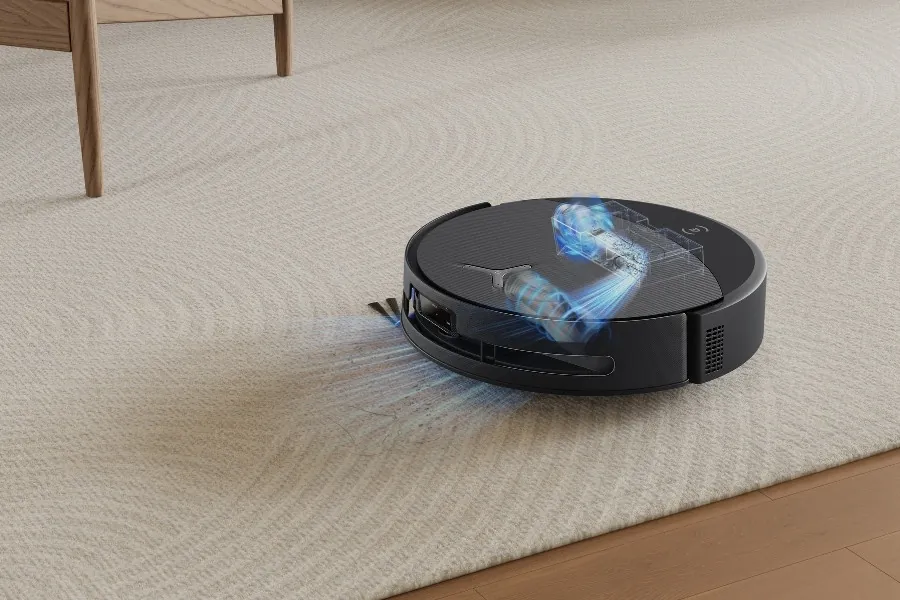
Buying a unit based only on suction power is a common error. A robot with high suction but poor navigation will leave debris behind while wasting battery life on repetitive paths. Additionally, don’t ignore the app requirements; if you aren’t comfortable managing settings on your phone, you’ll struggle to set “no-go” zones or cleaning schedules. Finally, avoid models that lack drop sensors if you have stairs, as these units will tumble and break upon impact.
Frequently Asked Questions
Do these robots work on thick carpets?
Most standard models struggle on high-pile carpets because the wheels get stuck and the brush roll can’t spin freely. You should look for units specifically rated for deep-pile performance to ensure they don’t stall.
How often should I replace the filters?
You should replace filters every 3 to 6 months depending on how much dust your home collects. Using a clogged filter forces the motor to work harder, which shortens the lifespan of the device.
Can they handle wet messes?
Most robot vacuums are for dry dust and hair only. If you need to clean liquid spills, you must buy a dedicated robot mop or a hybrid model explicitly designed for wet cleaning.
Conclusion
Check your room dimensions and furniture height before you make a purchase. Once you know your specific spatial limits, use those measurements to filter your choices on the manufacturer’s official specifications page to find a model that fits your home’s layout.