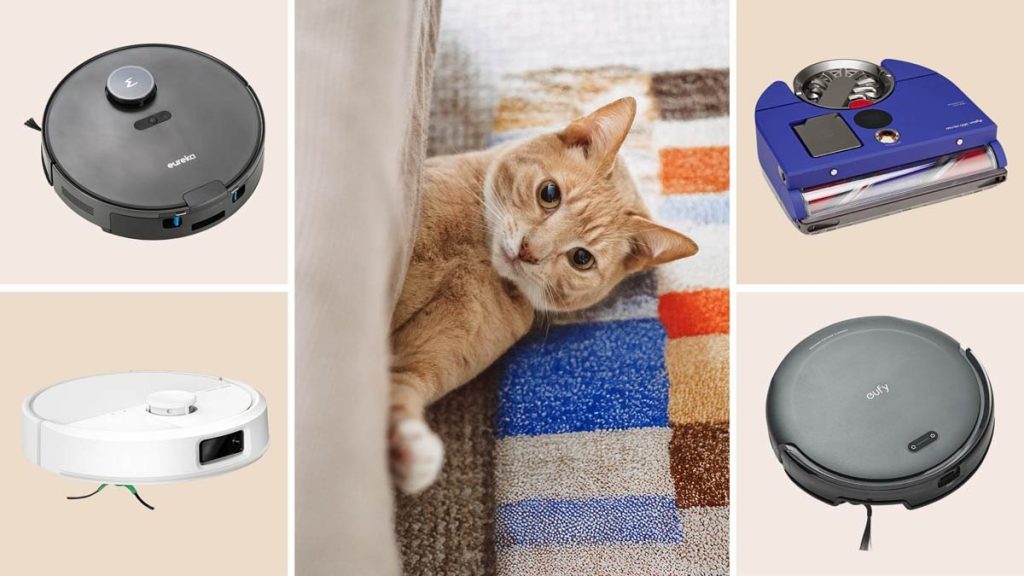
Choosing a robot vacuum for pet hair requires prioritising models with rubberised brush rolls and high suction power, as these features prevent hair tangles and lift stubborn fur from carpets. You should expect to pay a modest amount for a machine that effectively manages shedding without needing constant manual cleaning of its internal components.
Selecting the best robot vacuum for hair
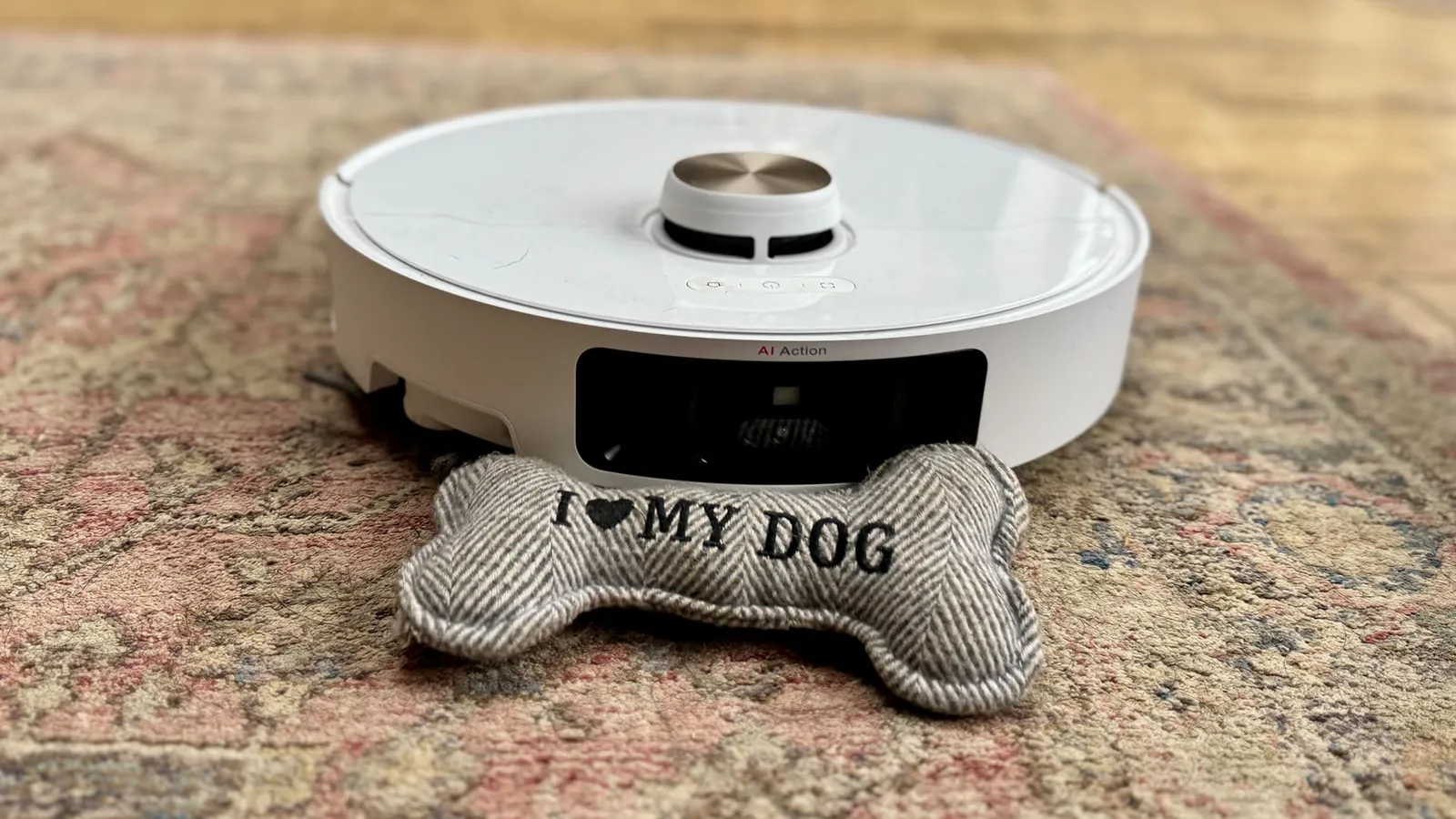
When you’re comparing machines, the brush design is the most critical factor. Traditional bristle brushes catch fur quickly, creating dense knots that stop the vacuum from working. Look for silicone or rubber extractors that push hair into the bin rather than wrapping it around the roller.
| Feature | Best for Pet Owners | Why it Matters |
|---|---|---|
| Brush Type | Rubber extractors | Resists tangling |
| Suction Power | 2000 Pa or higher | Lifts fur from carpet |
| Filter Grade | HEPA | Traps pet dander |
| Bin Capacity | 0.5 Litres+ | Holds more fur |
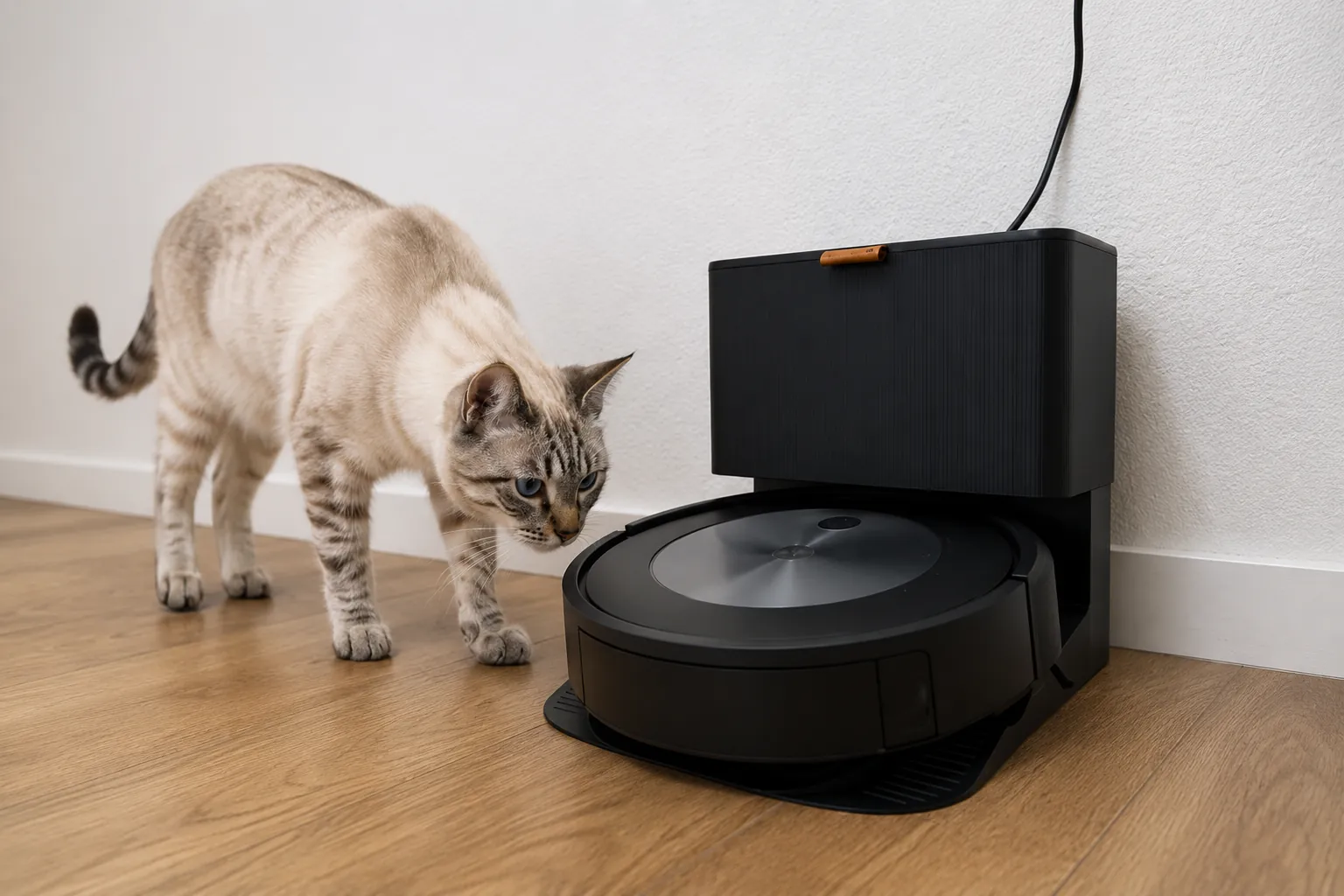
Tip: If you have long-haired pets, choose a model with a self-emptying base station to reduce how often you need to touch the dustbin.
Important Performance Factors
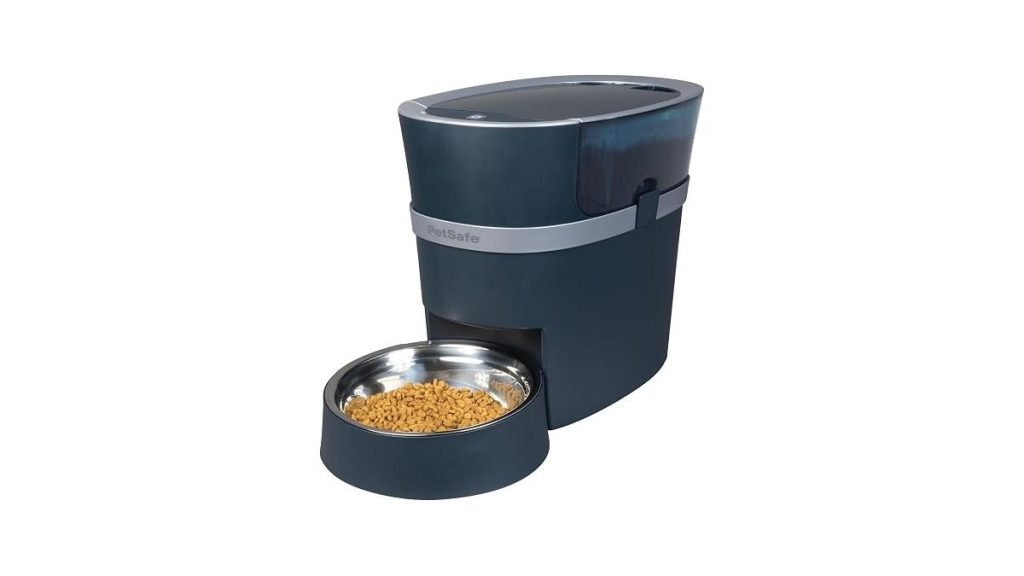
Beyond the brush, consider the floor type in your home. Hardwood floors are generally easier to clean, but carpets require more suction to pull hair from the fibres. Most modern vacuums use sensors to detect floor types and adjust their power automatically. Ensure your chosen model has an app that allows you to set “no-go” zones, especially around pet food bowls or delicate water fountains.
The Environmental Protection Agency suggests that using high-efficiency filters helps reduce allergens like pet dander within the home. Always verify that the model you pick uses genuine HEPA-rated filters, as these trap particles that cheaper filters simply blow back into the air.
Common Mistakes to Avoid
Don’t assume that higher wattage on the box equals better cleaning. It’s the design of the intake port and the brush that determines success. Another error is failing to maintain the sensors; if the cliff sensors or camera lenses get covered in fur or dust, the robot will stop navigating properly. Clean these sensors with a dry cloth every week to keep the unit running.
Frequently Asked Questions
Can these robots handle long human hair too?
Yes, models with rubber brush rolls are excellent at handling long human hair as well as pet fur. They work by directing the strands into the suction path rather than letting them wrap around the axle.
How often should I clean the brush roll?
Even with tangle-resistant designs, you should check the brush based on your frequency of use, as the owner’s manual is the authority on maintenance. Removing occasional hair buildup prevents the motor from straining and ensures the vacuum maintains its suction efficiency.
Conclusion
Before you buy, measure the clearance under your furniture to ensure the robot can reach those hidden spots where fur accumulates. Check the manufacturer’s website for your specific floor plan to confirm the unit’s dimensions fit under your sofas and beds.