The best dog tracker with no monthly fee is a radio-frequency collar or a Bluetooth device that pairs directly with your phone. These trackers avoid recurring costs by skipping cellular networks, though they offer less range than GPS units.
How Radio-Frequency Trackers Work
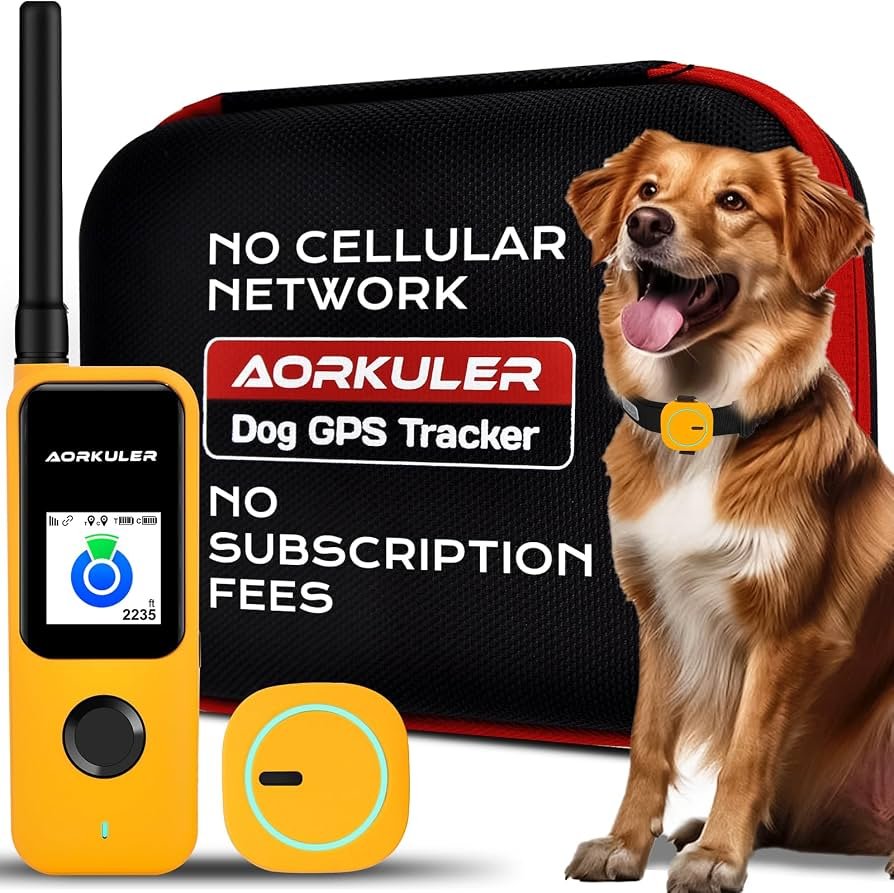
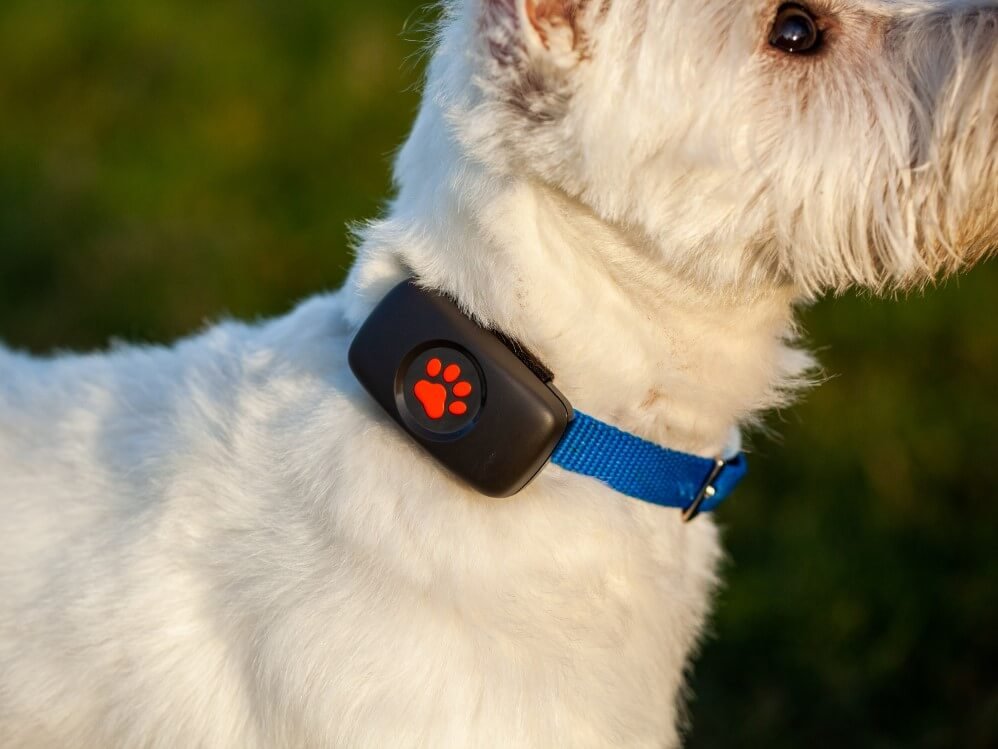
Radio-frequency trackers consist of two parts: a lightweight tag attached to your dog’s collar and a handheld receiver you carry. When you need to find your pet, the receiver emits a signal that the tag detects and responds to, guiding you toward their location with visual or audible cues.
- Attach the tag securely to your dog’s collar using the provided ring.
- Sync the receiver with the tag while both are within close proximity.
- Scan the area by moving the receiver in a slow, sweeping motion.
- Follow the signal strength indicator, which increases as you get closer.
- Listen for audio alerts that speed up when you’re within a few metres.
Tip: Practice using the receiver in a park before heading out on a hike so you’re comfortable with how the signal changes as you move.
Comparing Tracker Technologies
Understanding the trade-offs between different tracking methods helps you decide if a no-fee device suits your lifestyle.
| Tracker Type | Connection Method | Typical Range | Best For |
|---|---|---|---|
| Bluetooth | Smartphone App | 10–50 metres | Home or garden |
| Radio-Frequency | Handheld Receiver | 100–400 metres | Open fields/forests |
| GPS Subscription | Cellular Network | Unlimited | Hiking/travelling |
Managing Your Dog’s Safety
Always ensure your pet’s primary identification is up to date. The UK government pet microchipping guidelines require that your dog is microchipped and wears a collar with your contact details. This provides a secondary layer of security if your dog wanders beyond the range of your tracking device.
Related guides
Frequently Asked Questions
Why won’t these trackers work in the city?
Radio-frequency and Bluetooth signals struggle to pass through thick walls, concrete, and heavy metal structures. If your dog gets lost in a dense urban environment, these devices may lose their signal quickly, making it difficult to pinpoint an exact location compared to open outdoor spaces.
Can I use a GPS tracker without a monthly subscription?
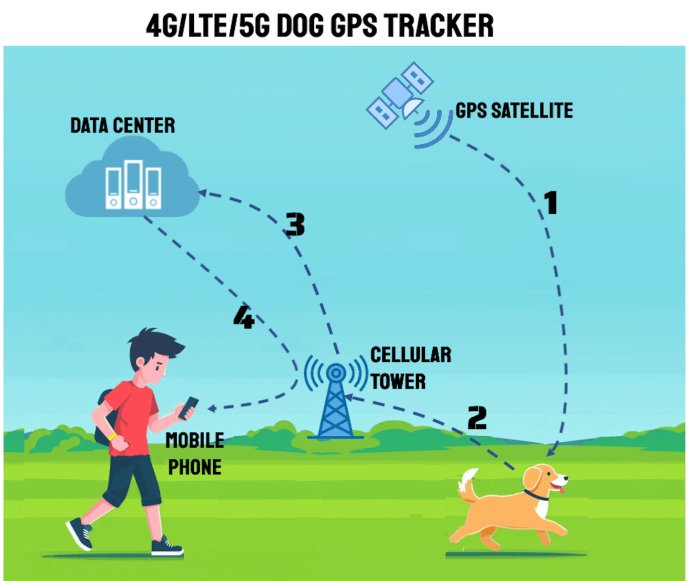
Most true GPS trackers require a cellular connection to send coordinates to your phone, which necessitates a monthly data plan. While some devices allow for one-off payments, they’re rare and often rely on outdated technology that may not provide real-time updates.
Is it safe to rely on Bluetooth trackers for long walks?
These devices are intended for short-range monitoring and shouldn’t be your only safety measure. On long walks, a dog can easily move beyond the 50-metre range in seconds, leaving you with no way to track their movement until you’re back in close proximity.
Before you purchase, measure the distance of your regular walking routes to see if a radio-frequency device covers your needs. If you visit large areas, use a directional antenna to find pets hidden in tall grass or brush.
Conclusion
Choosing the right device really comes down to where you spend your time with your pup. If you stick to local parks or your own backyard, these simple tools will keep your mind at ease. Take a look at your daily walking route today and decide which signal range fits your lifestyle best.

2 thoughts on “Best Dog Tracker No Monthly Fee: How to Choose Your Device”