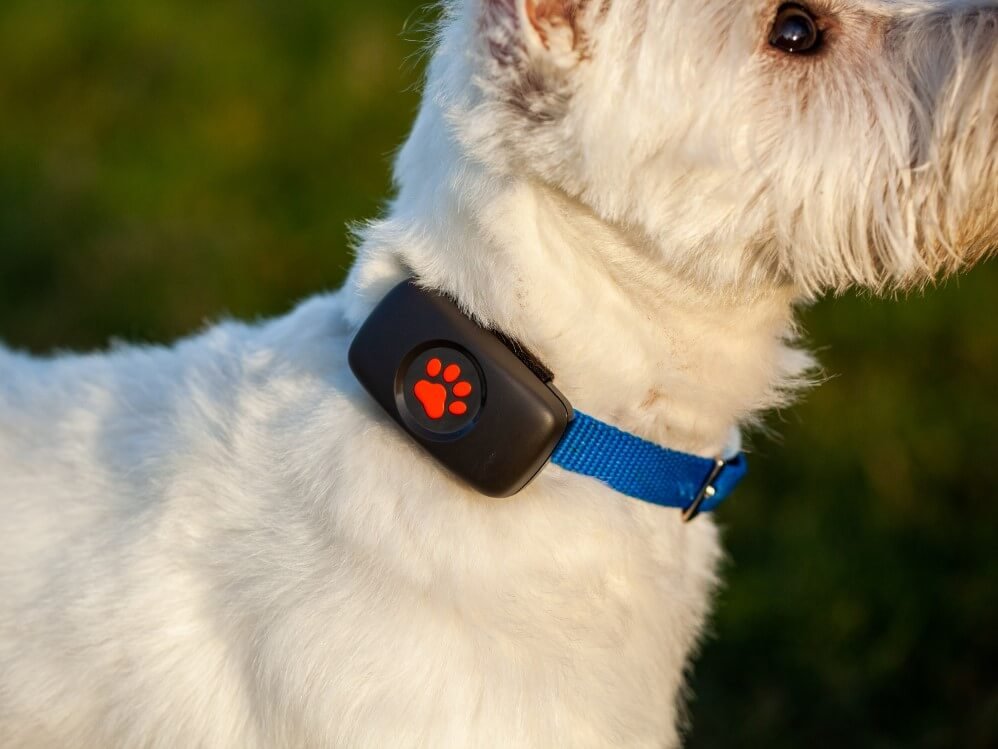
A gps tracker for dogs without subscription is possible through radio frequency collars or offline bluetooth tags, though these options have significant range limits compared to cellular devices. While radio trackers work up to 15 kilometres in open areas, bluetooth tags only function within a few metres of your own smartphone.
Comparing dog trackers without a subscription
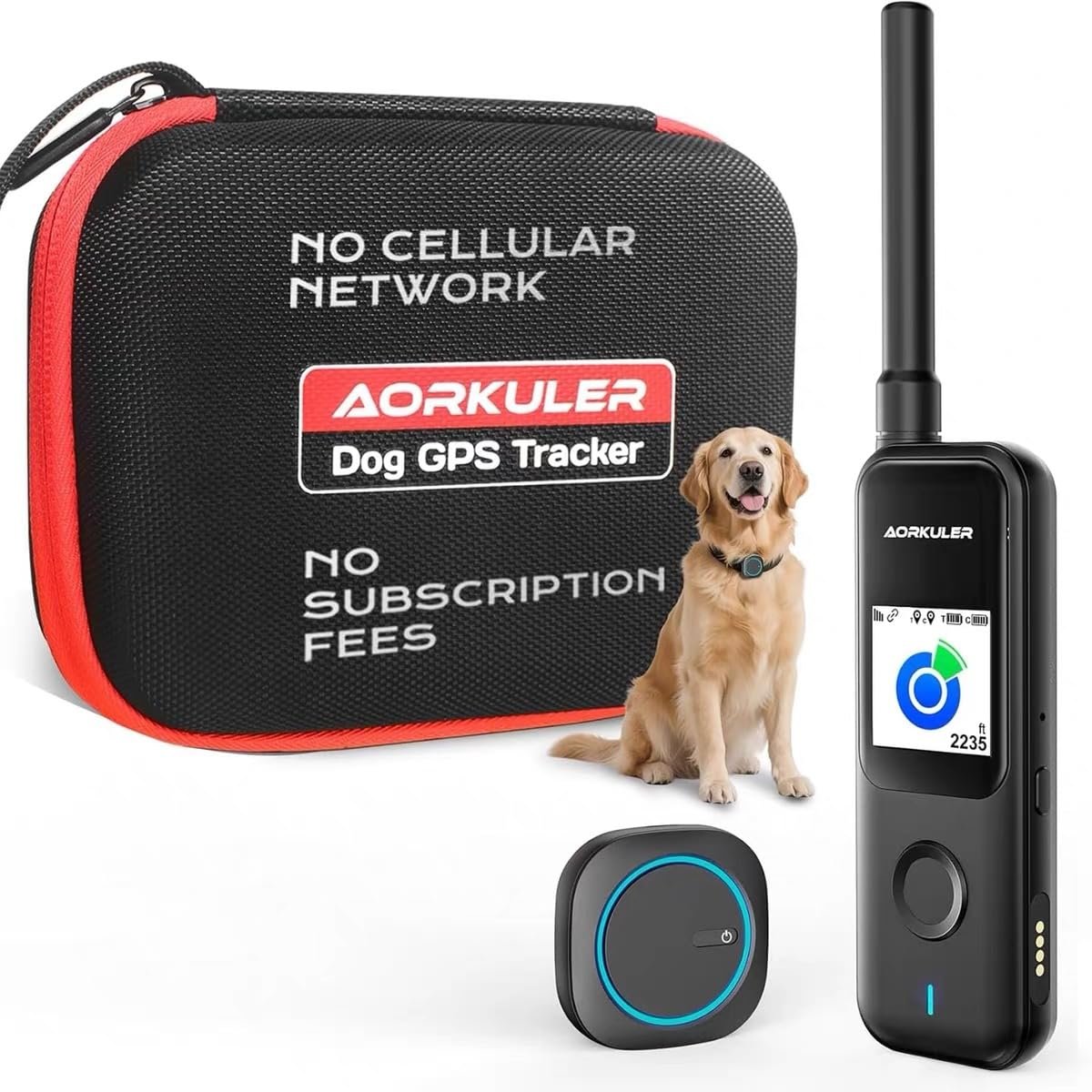
Choosing between these technologies depends on your specific needs, as each has clear trade-offs regarding distance and reliability.
| Feature | Radio Frequency | Bluetooth Tag |
|---|---|---|
| Range | Up to 15 km | Under 50 metres |
| Network Required | None | None |
| Subscription | None | None |
| Best For | Large rural areas | Urban or home use |
Limitations of Subscription-Free Tracking
The primary trade-off when you avoid monthly fees is the loss of real-time global coverage. Cellular trackers use mobile networks to send your dog’s exact coordinates to a cloud server, allowing you to see their location from anywhere. Without that network, you’re limited by the signal strength of your receiver.
Tip: If you choose a radio frequency system, always test the signal range in the exact terrain where you walk your dog, as hills and dense trees will drastically reduce how far the signal travels.
Radio equipment is often too bulky for smaller dogs. These systems lack automatic alerts for zone exits. You must actively monitor the receiver. All dogs in England must be microchipped, providing identification if your tracker fails.
Why These Trackers Fail Sometimes
Even the most reliable radio trackers have common points of failure that you should know before relying on them.
- Battery Drain: These units require frequent charging. If the battery dies, you have no way to find your pet.
- Physical Obstructions: Thick concrete walls, deep valleys, and heavy foliage can block radio waves, creating “dead zones” where the signal won’t reach your receiver.
- User Error: If you don’t keep your receiver updated or calibrated, it won’t accurately point toward the collar, leading you in the wrong direction during an emergency.
Frequently Asked Questions
Can I use an Apple AirTag as a dog GPS?
No, an AirTag isn’t a GPS tracker. It uses the Bluetooth signals of nearby Apple devices to report its location, meaning it won’t work reliably if your dog wanders into a remote area with no people around.
Are these trackers waterproof?
Most radio-based systems are designed for outdoor use and are water-resistant, but you should always check the manufacturer’s specific IP rating. Avoid submerging them unless the documentation explicitly states the device is fully waterproof.
Will a radio tracker work in a city?
Radio trackers struggle in cities because large buildings and electrical interference block the signal. They’re much more effective in open fields or forests where the path between the collar and your receiver is clear.
Conclusion
Before purchasing a system, measure the typical distance you wander from your home to ensure a radio device provides the coverage you need. If you often visit dense areas, consider keeping a physical lead on your dog to guarantee their safety.


3 thoughts on “GPS Tracker for Dogs Without Subscription: How They Work”