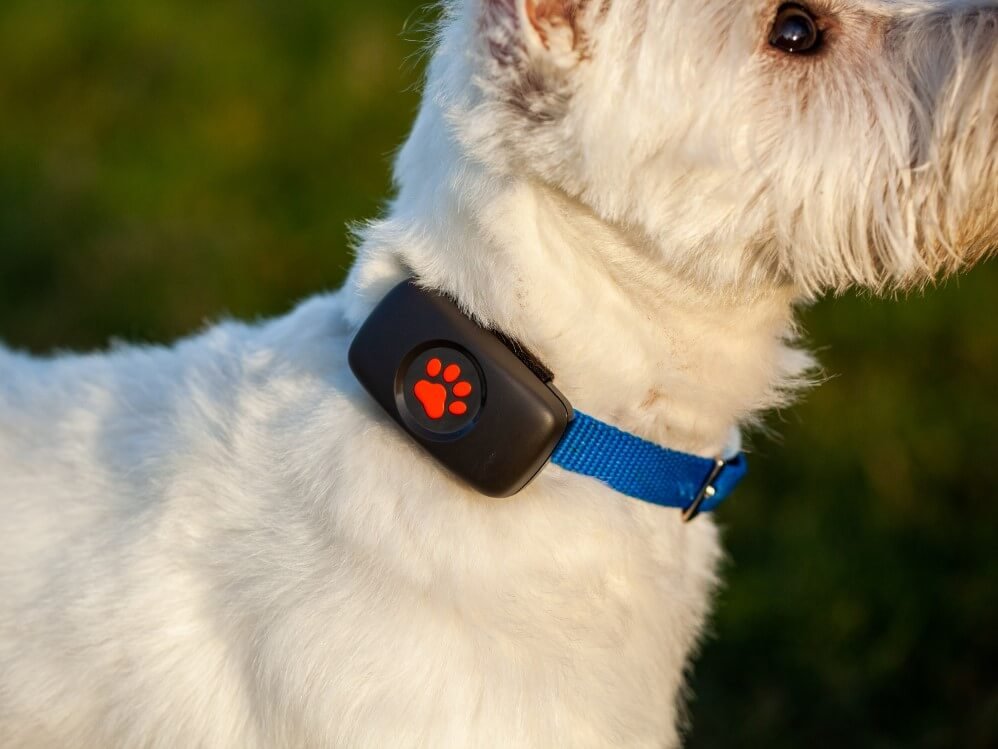
A dog tracker without subscription is a device that uses radio frequency or Bluetooth to find your pet, meaning you don’t pay monthly fees. These trackers don’t rely on cellular networks or GPS satellites, so they won’t work over long distances or through thick walls.
How a Dog Tracker Works Without Subscription
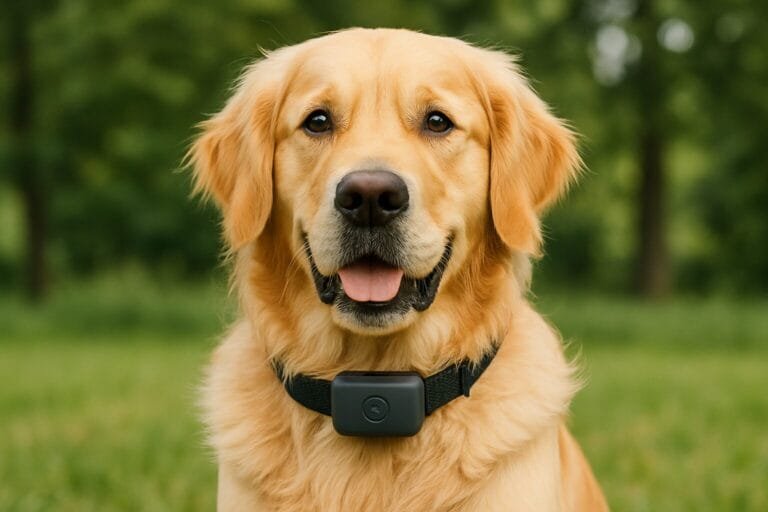
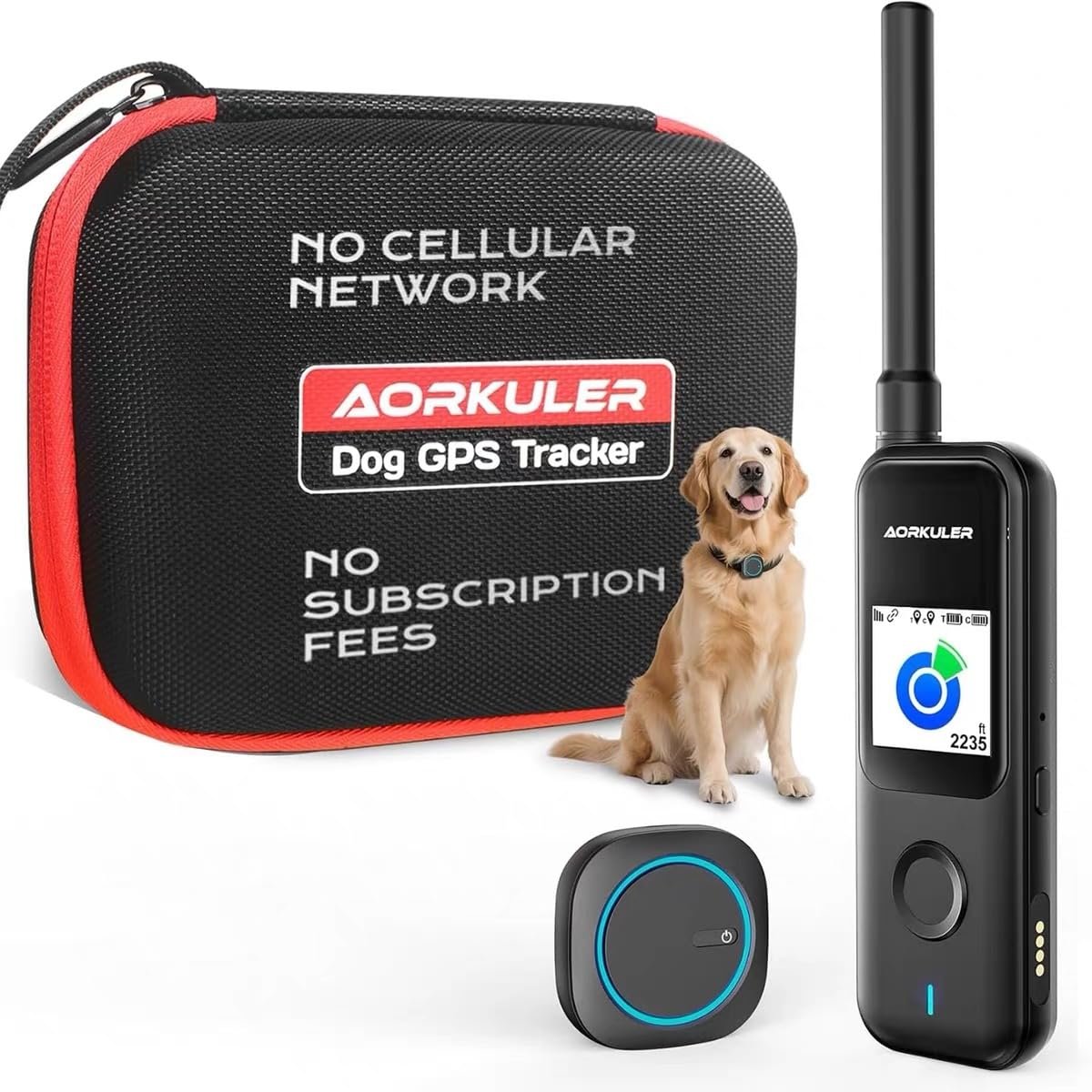
Most trackers that don’t require a monthly fee fall into two categories: radio frequency (RF) trackers and Bluetooth tags. RF trackers use a handheld receiver that picks up a signal from the collar unit, while Bluetooth tags connect to your smartphone.
- Radio Frequency: These are best for rural areas. The handheld unit shows the direction and relative distance to your dog.
- Bluetooth Tags: These are limited to short range, often within 30 to 100 metres of your phone. They rely on crowdsourced networks if your dog wanders further.
Tip: Always test the signal strength in your local park before trusting a new tracker.
Comparison of Tracking Technologies
| Feature | RF Trackers | Bluetooth Tags |
|---|---|---|
| Range | Up to 3 km | Under 100 metres |
| Monthly Fee | None | None |
| Battery Life | 2 to 4 weeks | 6 to 12 months |
| Accuracy | High in open fields | Low in dense areas |
Limitations You Must Consider
Before choosing a device, you should understand that these trackers won’t provide real-time updates if your dog leaves the immediate area. RF devices are bulky, which might be uncomfortable for small breeds, and they require a clear line of sight to work effectively.
Bluetooth tags aren’t true trackers. They’re designed to help you find lost items nearby. If your dog runs away, the tag only updates its location if another person with the same app happens to walk past your pet.
Why These Might Not Be Right for You
If you live in a busy city or your dog is a fast runner, a non-subscription device may be insufficient. These tools are designed for hobbyists who stay in open spaces. If your goal is constant, reliable tracking in any location, you’ll need to consider a GPS device that uses cellular data.
Related guides
Frequently Asked Questions
Can these trackers work through walls?
No, radio frequency and Bluetooth signals struggle to pass through solid structures. If your dog enters a building, the signal will likely drop or become inaccurate.
Will these replace a microchip?
No, a microchip is a permanent form of identification that allows vets to contact you if your dog is found. Trackers are for active searching, not legal identification.
Do I need a smartphone for all trackers?
Not always. RF trackers come with a dedicated handheld device, so you don’t need a phone. Bluetooth tags, however, require a smartphone to function.
Check your local terrain before buying, as radio frequency units perform best in open fields. If you walk in crowded areas, consider investing in a microchip and a standard lead instead of relying on limited tracking technology.
Conclusion
Choosing the right tool for your pet depends on where you usually walk together. If you stick to open parks or your own backyard, these devices are a smart, budget-friendly choice. You’ll just need to check the signal range carefully before you head out, so you’re always ready for your next adventure.