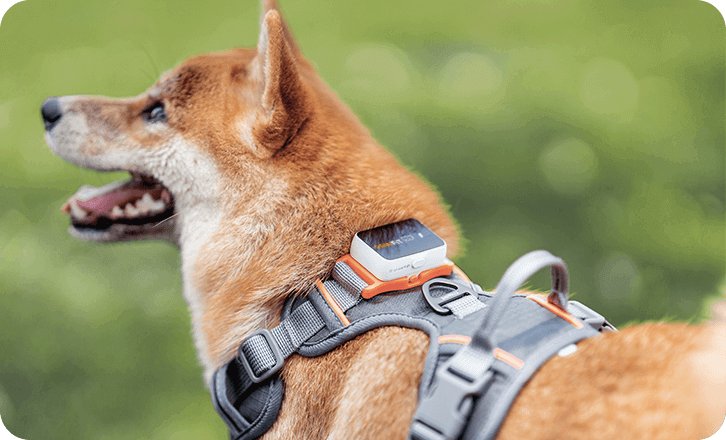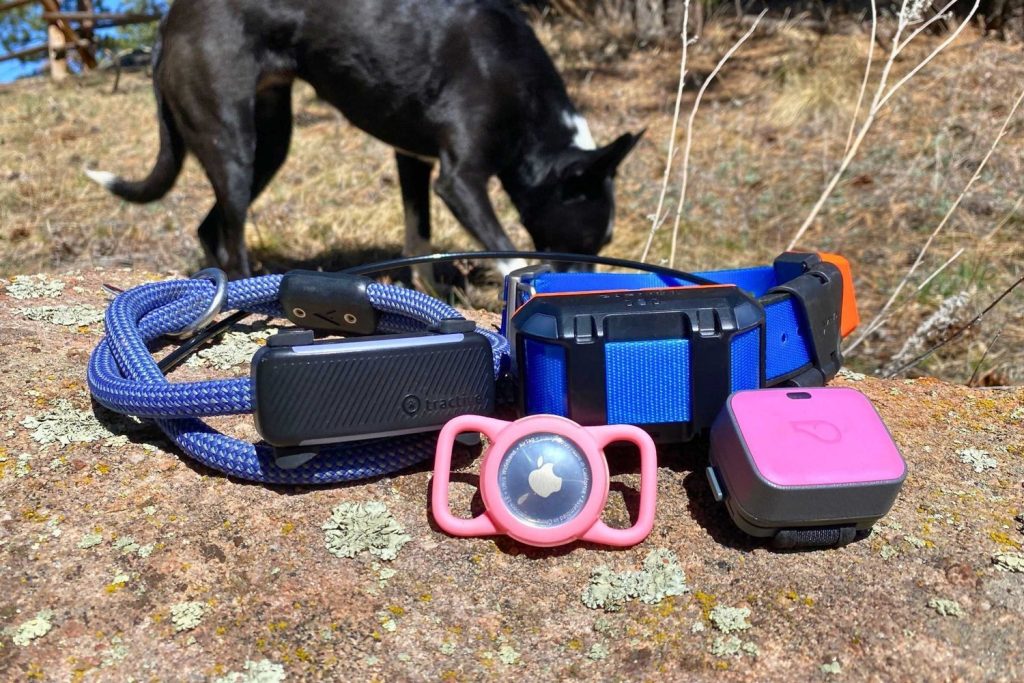
The best dog tracker for escaping dogs is a gps-based collar, which offers real-time location data over unlimited distances. You should prioritize models that rely on cellular networks, as bluetooth devices are limited to a range of only 10 to 30 metres.
Choosing the right tracker for escaping dogs
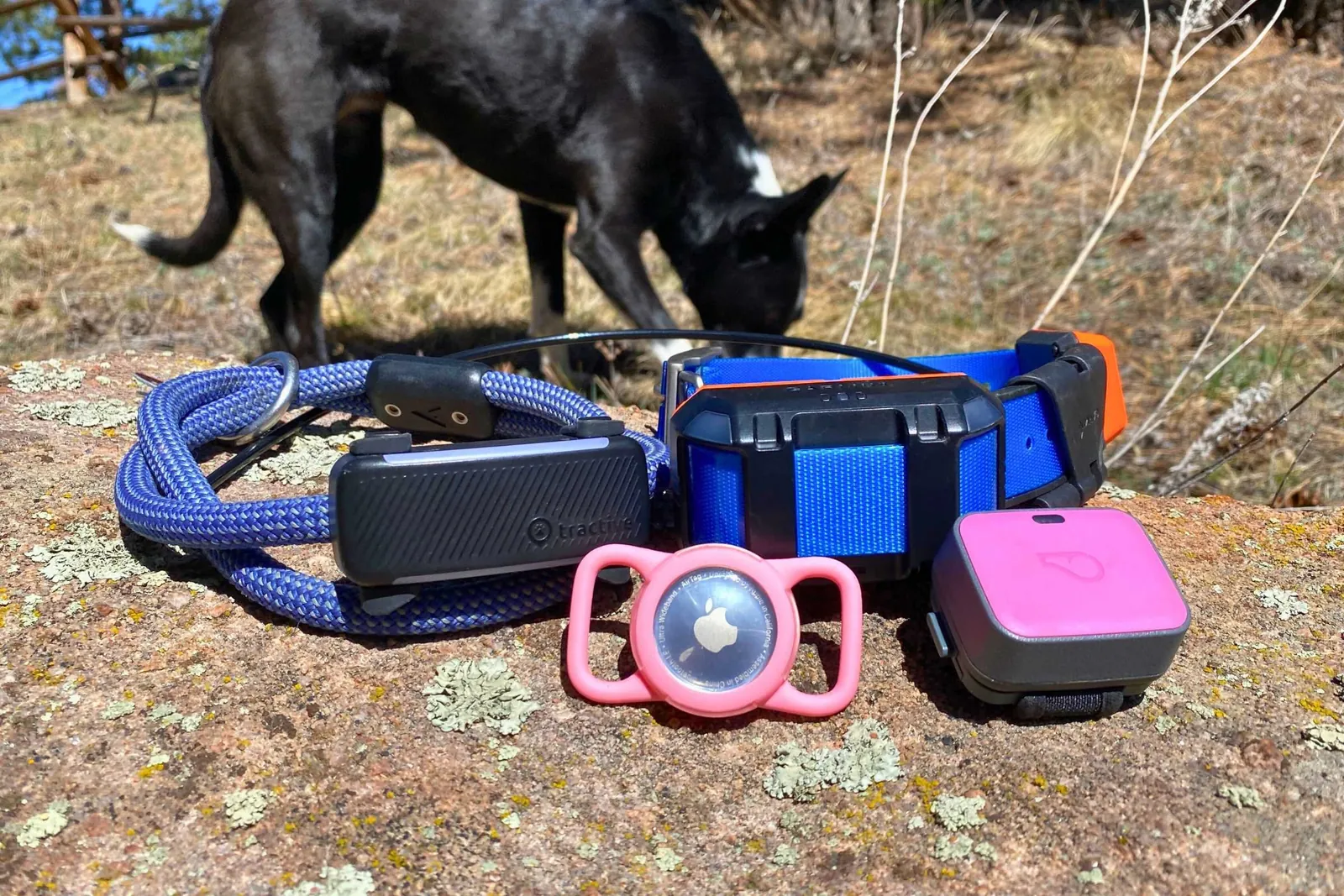
When looking for a device to recover a wandering pet, you must distinguish between the three primary technologies available. Each system has distinct limitations that determine your success in an emergency.
| Technology | Range | Best Use Case |
|---|---|---|
| GPS + Cellular | Unlimited | Active escape artists |
| Bluetooth | Under 30m | Finding pets inside the house |
| Radio Frequency | Up to 3km | Rural areas with no signal |
For an escaping animal, a cellular tracker is the only reliable choice. These units send location data to a satellite, which then transmits the coordinates to your phone via a mobile network. This allows you to follow your dog’s movement in real-time on a map, even if they’re miles away from your home.
Tip: Always check that the cellular provider for your device has strong coverage in your local area before you buy a subscription.
How to use a tracker effectively
Getting the device is only the first step. You need to set it up correctly to ensure you don’t lose the connection during a crisis.
- Attach the unit securely: Use the manufacturer’s provided mounting bracket to ensure the tracker stays on the collar during a run.
- Check the battery level: Most devices need a charge every 3 to 7 days, so set a recurring reminder on your phone to avoid a dead battery.
- Define a safe zone: Use the companion app to create a digital fence around your property so you receive an instant alert the moment your dog crosses the boundary.
- Test the signal: Walk around your neighbourhood with the tracker to confirm your phone receives accurate updates in real-time.
- Update your contact details: Ensure your phone number is linked to the tracker’s account so that you’re the first person notified of an escape.
Is it safe to rely on a tracker alone?
A tracker is a powerful aid, but it shouldn’t replace basic identification methods. The Royal Society for the Prevention of Cruelty to Animals notes that microchipping is a permanent way to identify your dog if they’re found by a stranger or handed into a shelter. A tracker can fail due to a flat battery, a damaged antenna, or a lack of cellular signal in remote areas. Keep microchip details updated to ensure a secondary way to get them home.
Common mistakes that lead to failure
Owners often assume devices work perfectly, leading to avoidable losses. Never ignore low battery warnings; a dead device is useless during an escape. Avoid trackers relying solely on bluetooth or crowdsourced signals, which require others to pass by your dog to update the location. Don’t assume the device is waterproof unless it meets an IPX7 rating or higher.
Frequently Asked Questions
Do I need to pay a monthly fee for these trackers?
Yes, most reliable cellular trackers require a monthly or annual subscription to cover the cost of the mobile data connection. Without this plan, the device can’t send the dog’s location to your smartphone.
Can a tracker track my dog if they’re in a forest?
GPS signals can be weaker under heavy tree cover or inside buildings, which may cause the map location to drift. However, most modern devices use assisted-GPS or cellular triangulation to keep providing a general area even when the signal is obstructed.
How do I know if the tracker is the right size for my dog?
Always check the manufacturer’s weight specifications before purchasing a tracker. A device that’s too heavy or bulky can be uncomfortable for smaller breeds, potentially causing them to rub the collar off.
Why does my tracker show the wrong location?
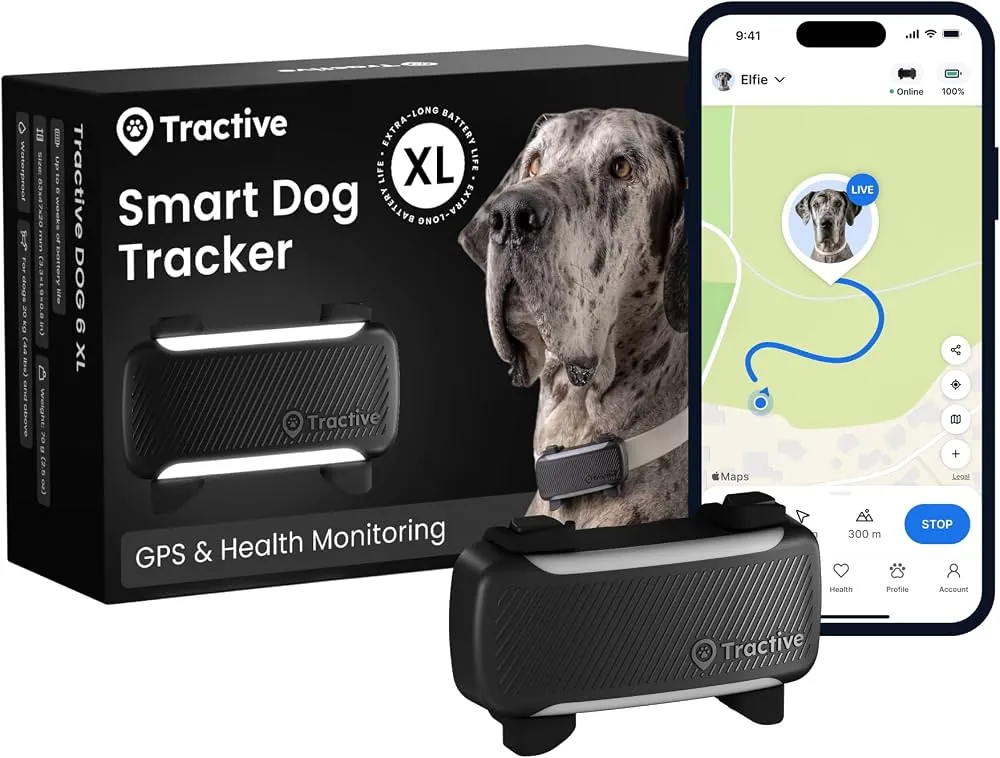
Sometimes, you might see the location pin jumping around or showing your dog in a place they clearly aren’t visiting. This usually happens because of environmental interference or a poor connection to the satellite network.
- Tall buildings or deep valleys: These can bounce the satellite signal, causing the map to report a position that’s dozens of metres away from the actual spot.
- Indoor usage: Most trackers struggle to get a clear signal inside a house, so the location might default to the last known position from when the dog was outside.
- Low battery state: When the power is critically low, the device may stop communicating with satellites to save energy, resulting in inaccurate or delayed data.
If you notice consistent errors, move the tracker to an open outdoor space and wait for it to re-establish a stable link. If the problem persists, check for any physical damage to the antenna or the casing that might be blocking the signal.
What should I do if the device stops responding?
If the tracker stops sending updates, start by checking the mobile app for a “last seen” timestamp. If the device was last active more than 10 minutes ago, it has either lost its cellular connection or the battery has died. Try to refresh the app and wait for the device to move into a better coverage area.
Can I share the location with my family?
Most modern tracking apps allow you to invite multiple users to your account. This lets family members monitor the dog from different smartphones simultaneously. You can usually manage these permissions in the settings menu of the app. Ensure everyone with account access knows how to read the map and interpret alerts to avoid confusion.
Are there trackers that work without a subscription?
Some devices claim to work without monthly fees, but they’re limited to bluetooth or radio frequency. While these lack recurring costs, they lack the range of cellular trackers. For city living or long-distance tracking, a subscription-based cellular device is the only reliable choice.
Conclusion
Investing in reliable technology will give you true peace of mind whenever your furry friend heads outdoors. You shouldn’t wait for an emergency to happen before making a choice. Check your local cellular coverage today, pick a model that fits your dog comfortably, and you’ll be ready for any adventure.