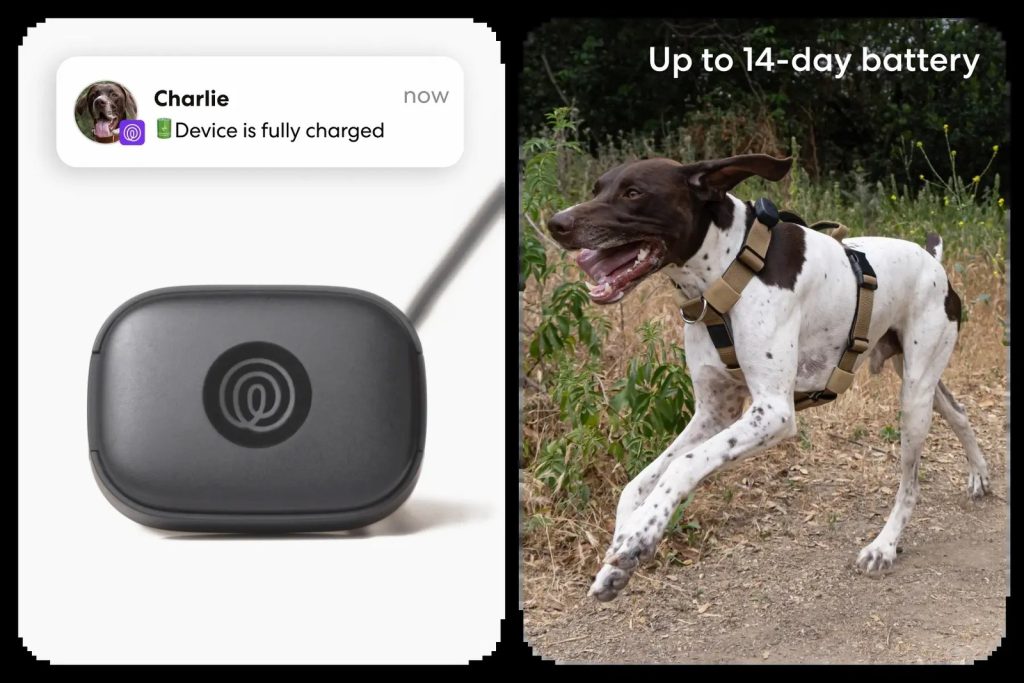
The best gps tracker for small dogs is a lightweight device under 30 grams that uses cellular networks for real-time location data. These units attach to standard collars, provide at least 48 hours of battery life, and require a subscription to monitor your pet through a mobile application.
Finding the best tracker for small dogs
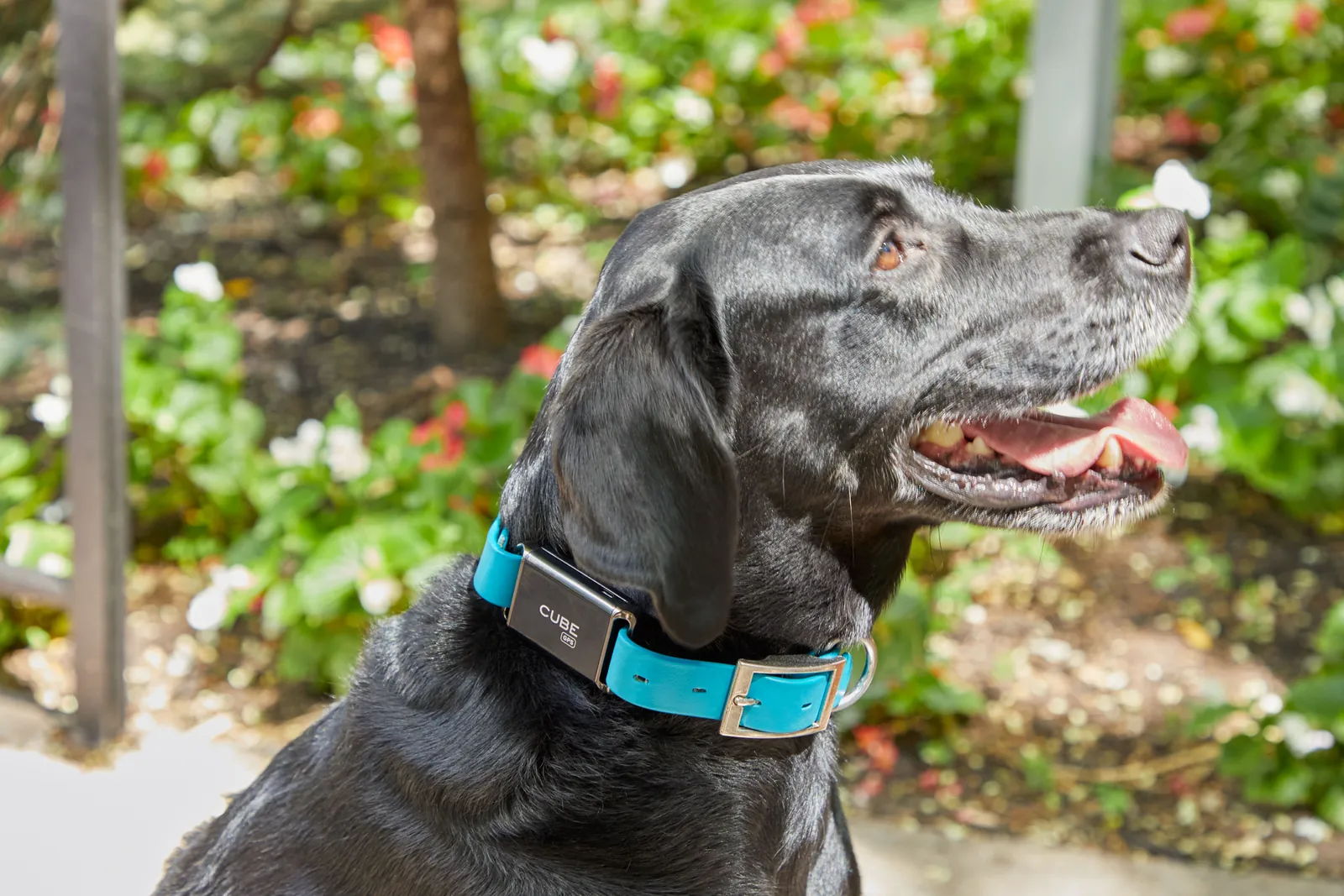
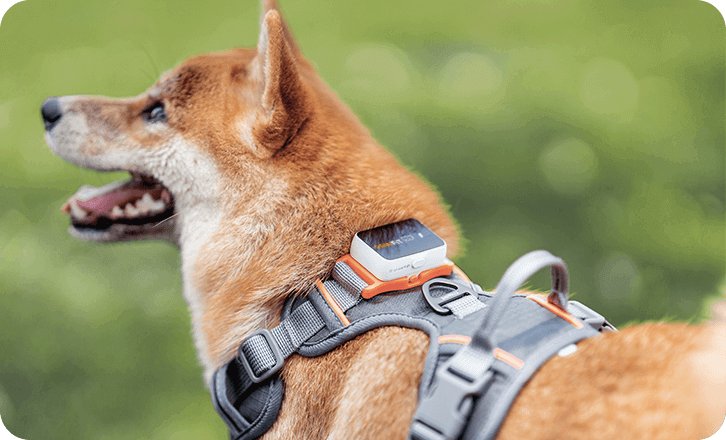
When selecting a tracker, the weight and fit are the most critical factors. Small breeds are sensitive to added bulk, so any device exceeding 5% of your dog’s total body weight can interfere with their natural movement. Look for units designed with a curved profile that sits flush against the collar rather than dangling, which prevents the device from catching on branches or furniture during walks.
Reliability depends on the cellular signal strength in your specific area. Because these trackers rely on mobile towers to relay location data, you should check your local network coverage maps before purchasing. Devices that combine GPS with Bluetooth or Wi-Fi can improve accuracy in dense urban areas where satellite signals often struggle to penetrate between buildings.
| Feature | Low-Weight Tracker | High-Performance Tracker |
|---|---|---|
| Weight | Under 25g | 30g to 45g |
| Battery Life | 2-3 days | 7-14 days |
| Connection | Cellular only | GPS, LTE, and Bluetooth |
| Subscription | Monthly or Annual | Monthly or Annual |
Important Setup and Usage Steps
To ensure your tracker works when you need it most, follow these steps to prepare your device for daily use.
- Charge the battery fully before the first use, as initial updates often drain power quickly.
- Attach the tracker securely to the collar using the manufacturer’s supplied mount to avoid movement.
- Download the proprietary app and create an account using a secure, unique password to protect your data.
- Define a safe zone within the app settings, which triggers an automatic alert if your dog leaves that perimeter.
- Test the live tracking mode in a familiar area to understand the delay between your dog’s movement and the map update.
Tip: Keep the device firmware updated through the app to ensure the GPS module maintains the most efficient connection to satellite networks.
Is It Safe to Use These Trackers Daily?
Using a GPS collar attachment is generally safe for small dogs provided the device remains attached to the exterior of the collar and doesn’t interfere with the dog’s ability to breathe or move. The Department for Environment, Food and Rural Affairs emphasises that all equipment worn by a pet must be checked regularly for signs of wear and shouldn’t cause discomfort.
A common mistake is choosing a tracker that exceeds 5% of your dog’s total body weight. If your dog weighs 5kg, the device should ideally weigh no more than 250g, though for small breeds, keeping the weight well under 30g is recommended to prevent neck strain. Anything heavier creates a pendulum effect that causes neck strain during sudden movements.
Avoid any device that requires piercing the dog’s skin or using internal components, as these pose unnecessary health risks. If you notice your dog scratching at the collar more than usual or if the skin underneath appears red or irritated, remove the device immediately.
Most modern units are sealed against moisture, but you should still inspect the casing for cracks regularly based on use, as the owner’s manual is the final authority. This prevents water from damaging the internal battery, which can lead to overheating or chemical leakage near your dog’s sensitive neck skin.
Why Does My Tracker Lose Signal Sometimes?
Signal loss is a common frustration for owners in rural or heavily wooded environments. GPS trackers require a clear line of sight to multiple satellites to calculate a position, and dense tree cover or deep valleys can block these signals. When the device can’t reach a satellite, it tries to fall back on cellular towers, which are less precise but still provide a general area.
If your device consistently shows a “searching” status, check if the battery level has dropped below 20%. Many units enter a power-saving mode at this threshold that limits how often they update their location.
A common mistake is mounting the tracker beneath a metal collar or a thick, lead-lined harness. These materials physically shield the antenna from the sky. If you’re unsure whether your gear is the culprit, perform a static test in an open field. If the signal returns, the issue is environmental interference rather than a faulty unit.
The decision rule is simple: if the device works in an open space but fails in your garden, you need a different mounting position.
Related guides
Frequently Asked Questions
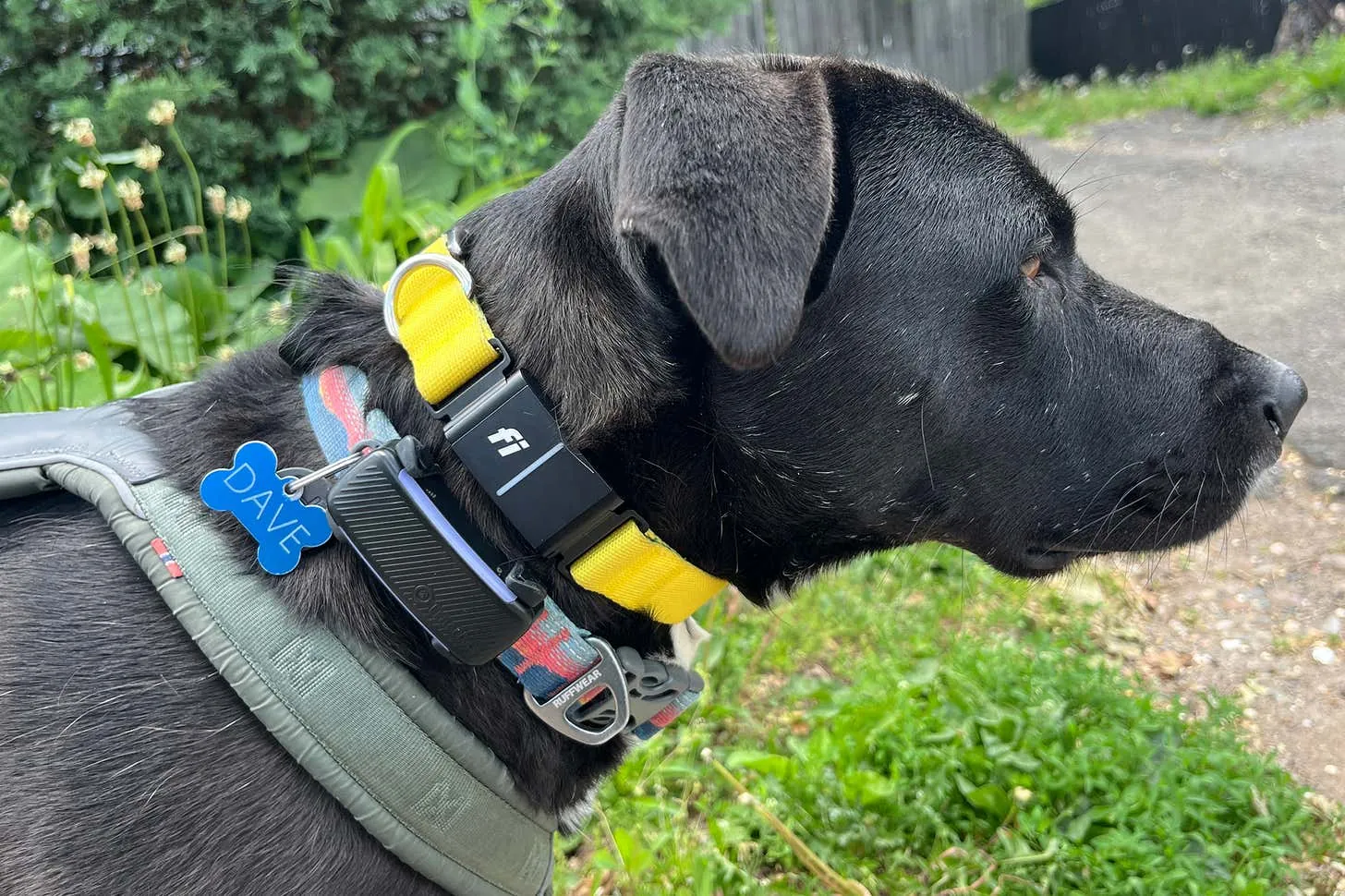
Can I track my dog without a monthly subscription?
No, most reliable GPS trackers require a subscription because they use cellular networks to send location data to your phone. These ongoing costs cover the data usage that allows the device to communicate with the app in real time.
How long does the battery actually last?
Most trackers for small dogs last between 48 and 72 hours on a single charge. If you use “live tracking” mode frequently, the battery will drain much faster than if the device is set to update its location every 30 or 60 minutes.
Will the tracker work in another country?
Most standard cellular GPS trackers are region-locked to the country where you purchased them. If you plan to travel internationally, you must verify that your specific model supports roaming or purchase a device designed for global connectivity.
Conclusion
Before committing to a specific model, verify that the subscription plan offers a cancellation policy that fits your needs. Start by testing the device in your garden or a local park to confirm the app alerts reach your phone reliably before relying on it during longer outings.

1 thought on “Best GPS Tracker for Small Dogs: How to Choose the Right Device”