You can choose a robot vacuum based on your floor type and the level of maintenance you prefer, as high-end models offer self-emptying docks and mapping while basic units focus solely on simple suction.
Which features actually matter?
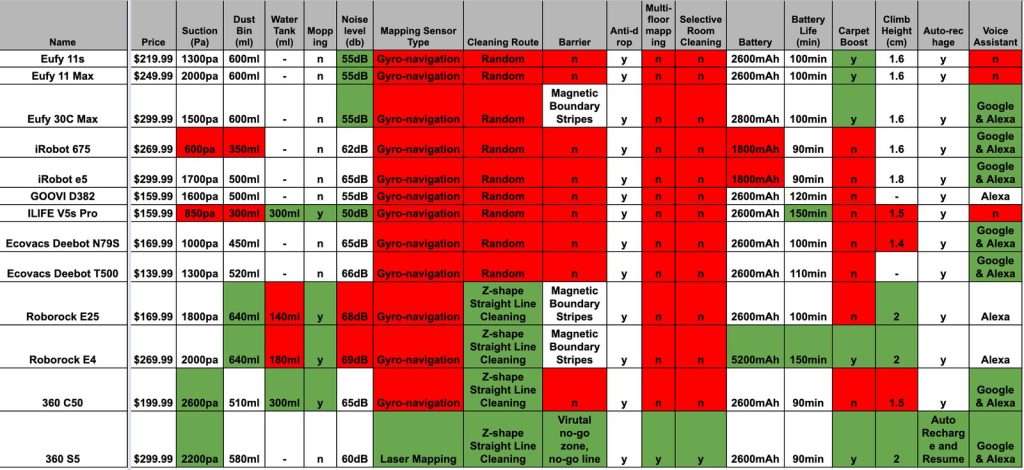
When comparing devices, look past the marketing terms and focus on the mechanics that change how the machine performs in your home. Navigation systems are the primary factor separating premium models from budget ones, as laser-based navigation allows a vacuum to move in straight lines rather than random patterns.
| Feature | Budget Models | Premium Models |
|---|---|---|
| Navigation | Bump-and-turn | Laser or Camera |
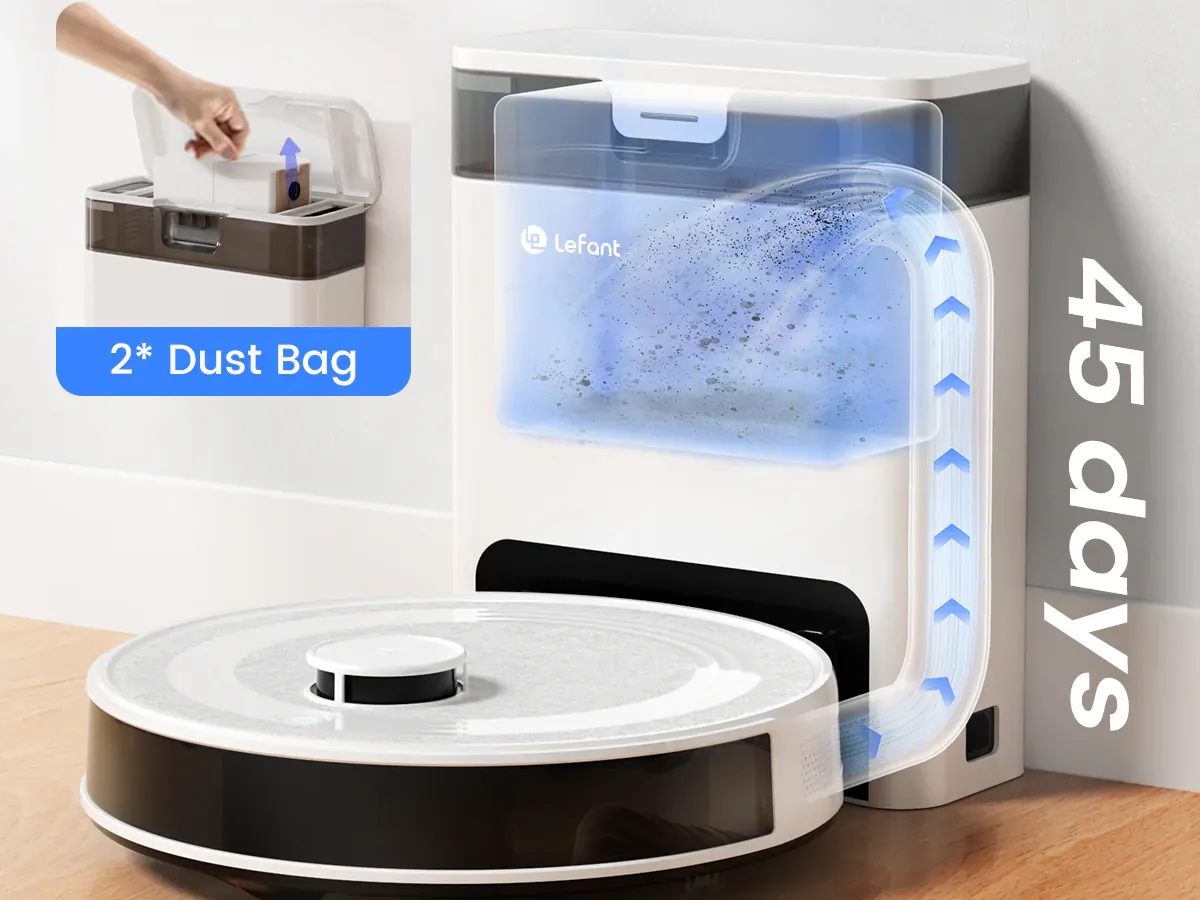
| Emptying | Manual bin | Self-emptying dock |
| Mapping | None | App-based control |
| Runtime | 60–90 minutes | 120+ minutes |
Tip: If you have pets, look specifically for models with rubber brushes instead of bristle brushes to prevent hair tangles that require constant manual cleaning.
How do you choose for your floor type?
Your flooring material determines the suction power you need and whether you should prioritise specific attachments. Hard floors are easy for most machines, but carpets require a vacuum with a high-efficiency particulate air filter to trap small dust particles effectively. According to the Environmental Protection Agency, these filters are designed to capture 99.97% of particles that are 0.3 microns in size, which is essential for maintaining indoor air quality.
If you have thick rugs or deep-pile carpets, ensure the model you choose has an auto-boost function that increases suction power when it detects a change in surface resistance. Without this, the unit may struggle to pull debris from deep within the carpet fibres.
Common robot vacuum mistakes to avoid
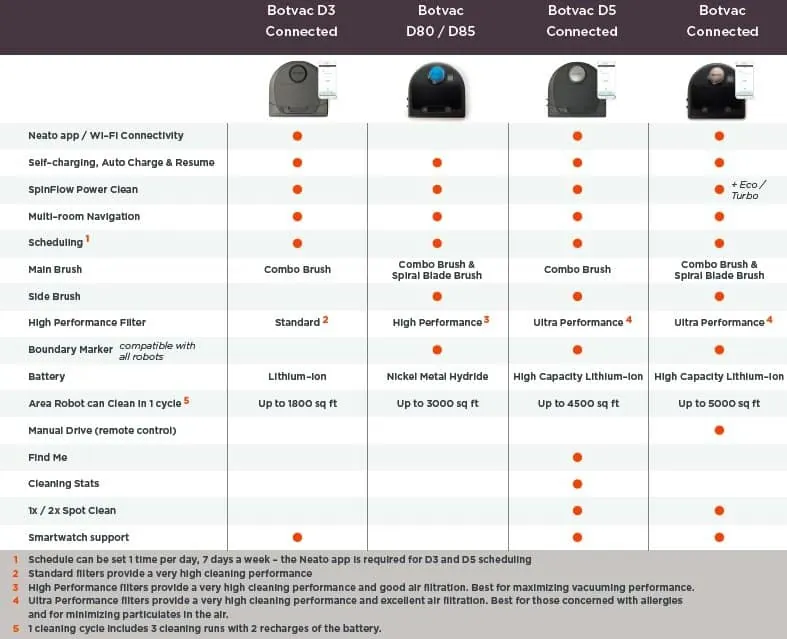
People often buy based on suction power numbers alone, but airflow and brush design are more important for actual performance. A high-power motor is useless if the intake is blocked by a poorly designed brush roll. Another common error is ignoring the height of your furniture.
Measure the clearance under your sofas and cabinets before buying, as a unit that’s too tall will never clean those hidden areas. Finally, don’t assume a robot can replace a traditional vacuum entirely; you’ll still need a manual tool for stairs and corners.
Related guides
- 10 Best Robot Vacuums for Pet Hair: Our Expert Picks
- 10 Best Self-Cleaning Robot Vacuum Models for Your Home
- 10 Best Robot Vacuum and Mop Combos for Spotless Floors
Frequently Asked Questions
Do robot vacuums work on dark carpets?
Most models struggle with dark or black carpets because their cliff sensors interpret the dark colour as a drop-off and stop the machine. Some manufacturers offer a “carpet boost” setting or stickers to cover sensors, but check your specific manual before buying.
How often should I replace the brushes?
You should inspect brushes every month and replace them every 6 to 12 months depending on use. Worn brushes lose their ability to agitate dust from carpets, which reduces the overall effectiveness of the cleaning cycle.
Conclusion
Before you purchase, clear your floors of small items like cables and toys to see how much space you truly have. Focus your budget on the navigation technology first, as even the most powerful vacuum won’t help if it keeps getting stuck in the same corner.