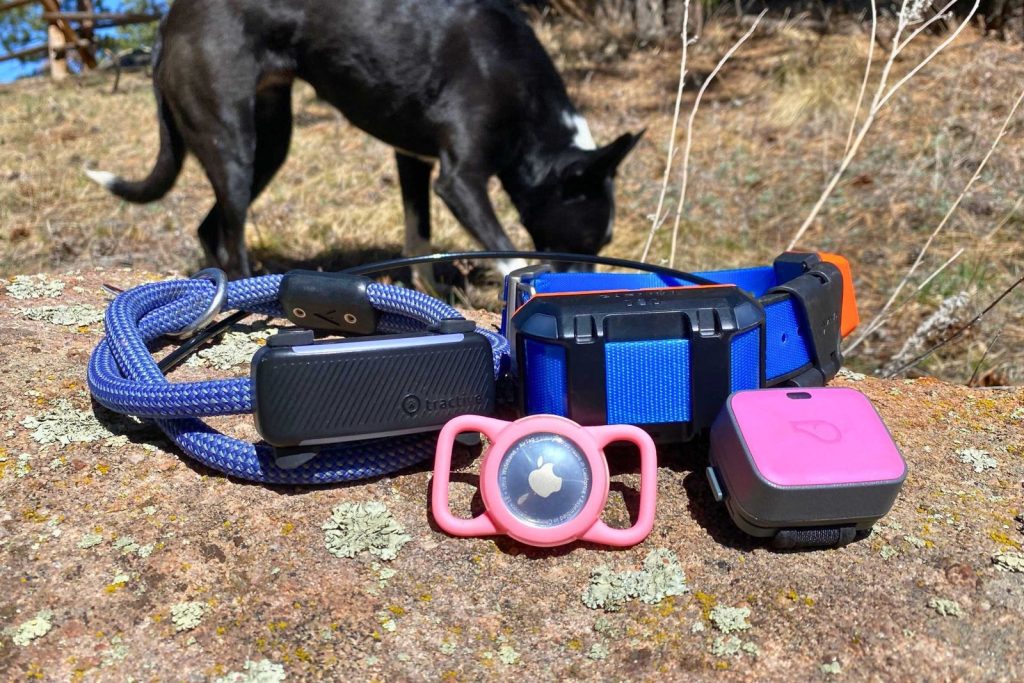
A direct gps pet tracker comparison shows that cellular models work best for real-time wandering alerts across long distances, whilst Bluetooth tags only locate a pet within 10 to 30 metres of a compatible phone. Cellular tags require an active data plan, but they update coordinates over any distance where a mobile signal exists.
Which Tracking Type Fits Your Pet?
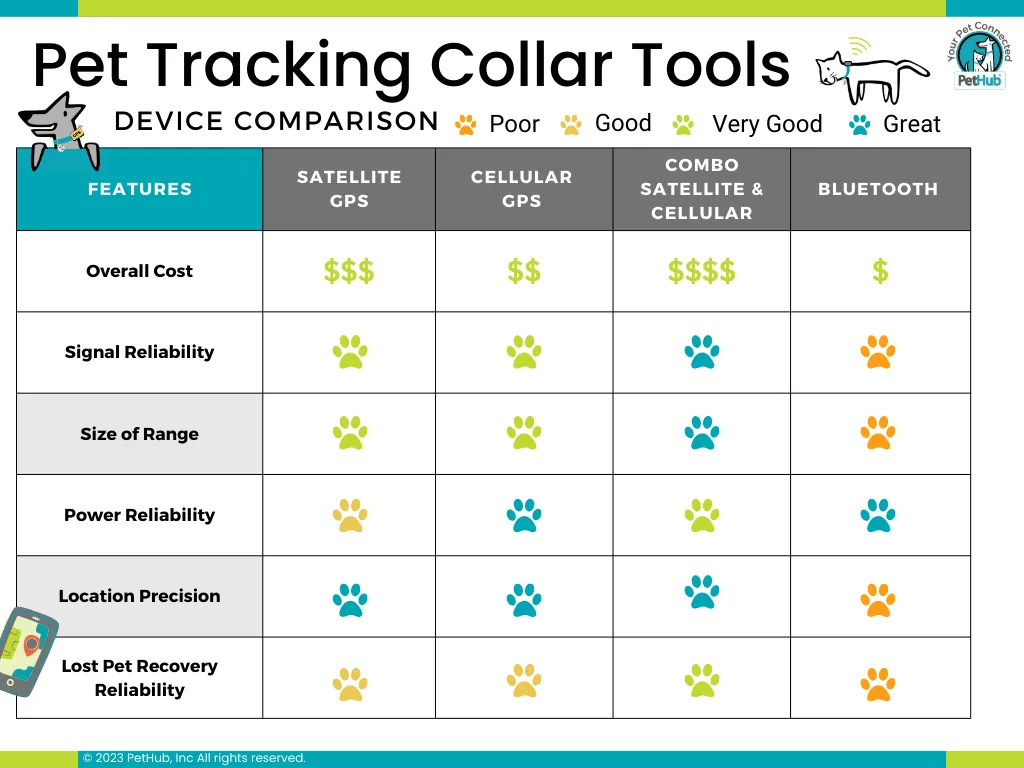
Cellular trackers locate an animal anywhere with mobile reception, but they need regular battery charging and a recurring monthly network fee. Bluetooth tags cost less and last up to a year on a coin cell, yet they fail once an animal runs past garden fences into open woods.
If your dog roams across open countryside, choose a cellular unit; if you own an indoor cat that occasionally hides under patio decking, pick a Bluetooth tag. The main trade-off is battery life versus tracking distance.
| Tracker Type | Real-Time Range | Typical Battery Run | Ongoing Fees |
|---|---|---|---|
| Cellular GPS | Unlimited (network coverage) | 2 to 7 days | Yes (monthly or annual plan) |
| Bluetooth Tag | 10 to 30 metres direct | Up to 12 months | None |
| Radio Frequency (RF) | Up to 500 metres clear line | 3 to 14 days | None |
Tip: Check mobile phone signal coverage for your specific walking trails before buying, because poor reception causes battery drain.
What Are the Hidden Limits of GPS Collars?
Satellite positioning needs a clear path to the sky to give accurate coordinates. Dense forest canopies, metal roofs, and stone outbuildings block satellite signals, which forces the device to estimate locations using nearby masts.
Cellular tracking also stops working entirely in dead zones without mobile coverage. According to Ofcom mobile coverage guidance, signal strength varies significantly between major UK networks, especially across rural terrain. If your local woodland lacks network coverage from the provider your tracker’s SIM uses, live updates will pause until the collar reconnects.
Small animals face physical limits too. Putting a bulky collar unit on an animal weighing under 4 kg strains neck muscles and risks snagging on outdoor wire fences.
Frequently Asked Questions
Can I track my dog with a Bluetooth tag instead of GPS?
No, because Bluetooth tags depend on nearby smartphones to report coordinates. If your dog bolts into remote fields where nobody walks, the tag can’t transmit its location. A true satellite collar updates independently over cellular masts.
Do GPS pet collars work without a paid subscription?
No, dedicated live models need an active cellular connection to send coordinates directly to your mobile phone. The internal SIM card uses network bandwidth just like a phone, which requires a small ongoing network plan to remain functional.
How heavy should a pet collar tracker be?
Veterinary guidelines recommend that neck-worn gear stays below 3% to 5% of total body weight. For a standard domestic cat or miniature dog, choose an attachment that weighs 25 to 30 grams or less.
Check your local mobile signal map for your daily walking spots before selecting a collar brand. Pick one reliable cellular model that uses the strongest network in your postcode, and test its boundary alerts inside your garden first.
Conclusion
Choosing the right device depends on your pet’s habits and your local coverage. Before you commit to a monthly subscription, check which network provider has the strongest signal in your neighborhood. It’s a small step that’ll give you total peace of mind whenever your furry friend decides to explore the world.