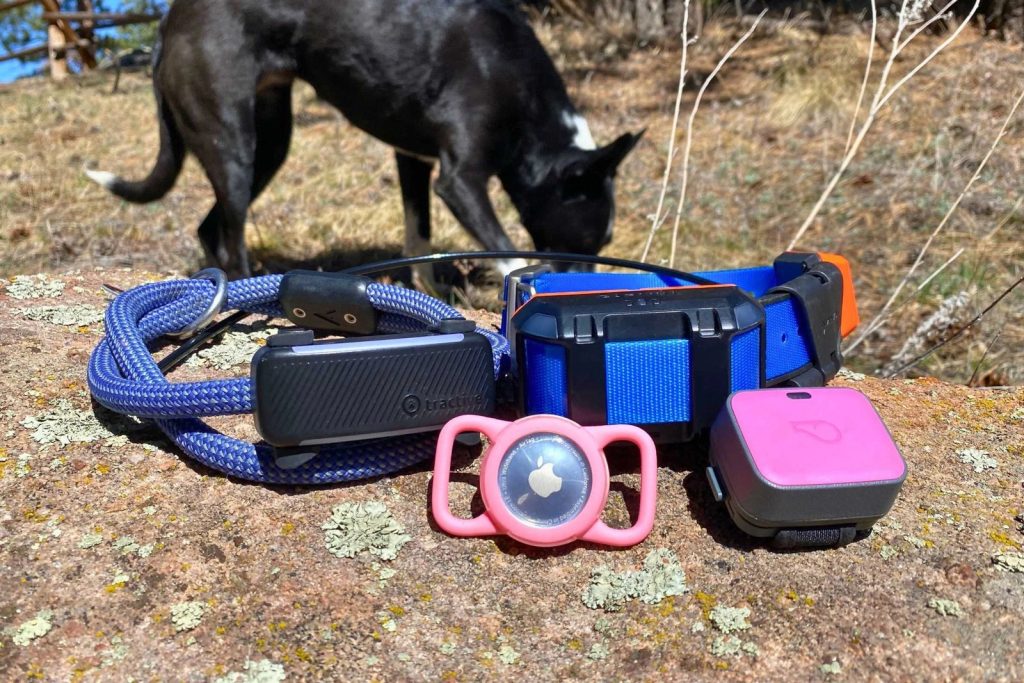
Choosing a tracking device for your pet depends on whether you need real-time location updates via cellular networks or simple proximity alerts using Bluetooth. If your dog wanders far, you’ll need a cellular subscription, while a short-range tag works best for dogs that stay within your home or garden.
Comparing Tracking Technologies
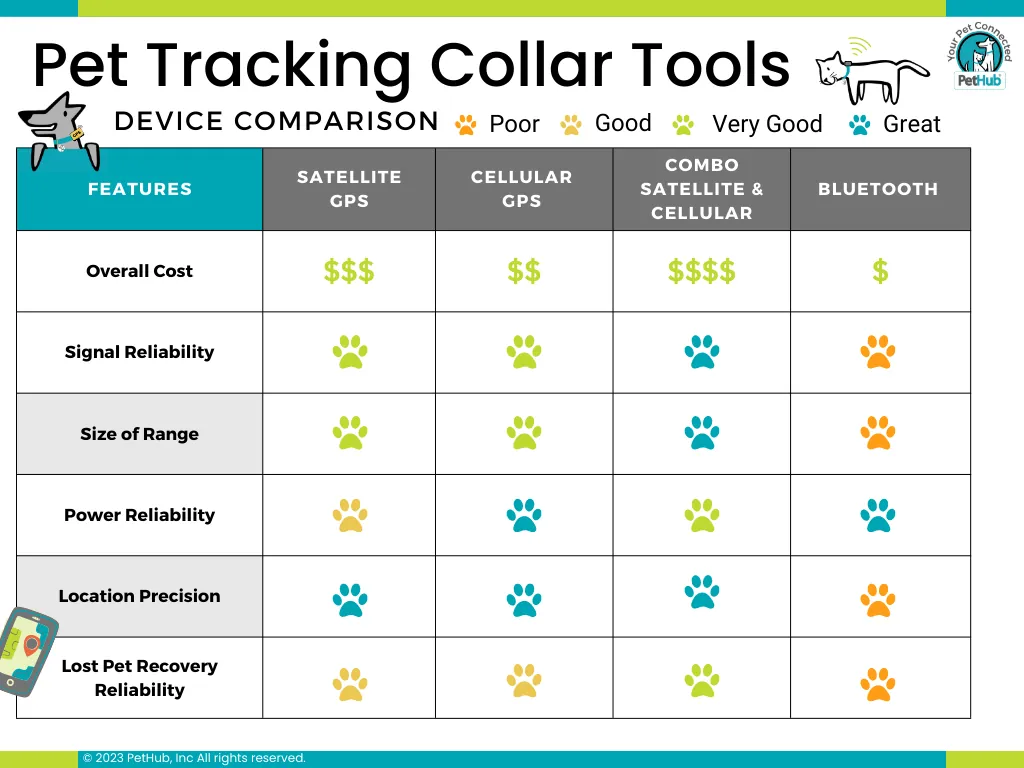
Most devices fall into two categories based on how they connect to your phone, and identifying this difference is the most important step before you make a purchase.
| Feature | Cellular GPS Trackers | Bluetooth Proximity Tags |
|---|---|---|
| Range | Unlimited | 30 to 100 metres |
| Subscription | Required | None |
| Best for | Off-leash walking | Indoor/yard safety |
| Battery Life | 2 to 7 days | 6 to 12 months |
Cellular units use satellites to pinpoint a position and send that data to your phone through a mobile network. Because these devices actively transmit data, they require regular charging and a monthly service fee. Bluetooth tags, such as those made by Apple or Tile, rely on a network of nearby phones to relay a location. They’re smaller and cheaper but won’t help if your dog is lost in a remote area without people nearby.
Factors That Influence Your Choice
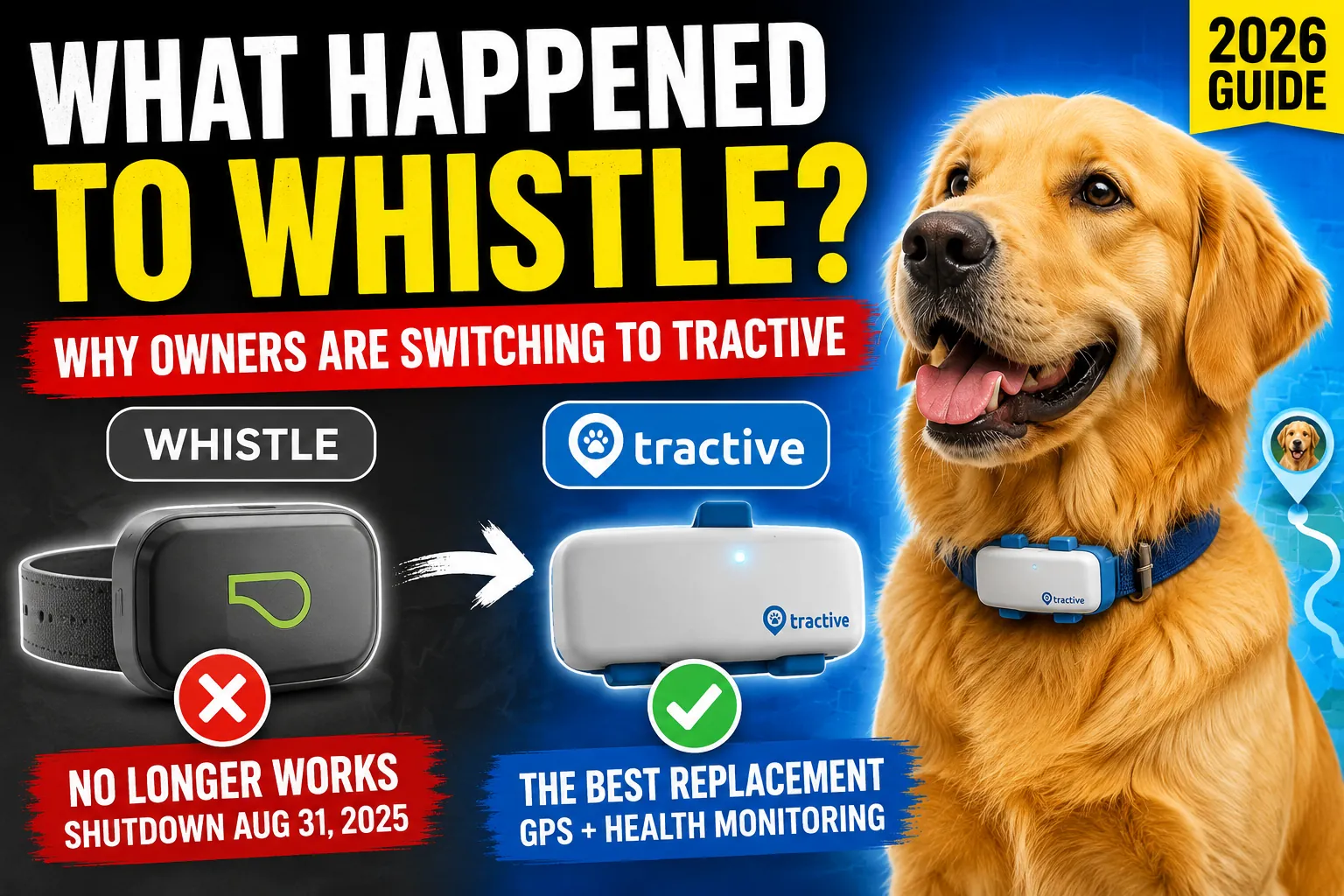
Before buying, check your local mobile coverage map. A tracker is useless if it can’t connect to a tower in your favourite park. You should also consider the device weight, as heavy units can be uncomfortable for smaller breeds.
Tip: Ensure the device is rated for water resistance, as dogs often encounter rain, mud, or deep puddles during their daily adventures.
Always test the fit of the device on the collar before your first walk to verify it stays secure and doesn’t impede your dog’s movement.
Frequently Asked Questions
Can I use a human-focused tracker on my dog?
While many human tags fit on a collar, they often lack the rugged, waterproof design needed for active dogs. They also may not provide the fast, frequent location updates required to find a moving animal quickly.
Do I need a subscription for every tracker?
Only cellular-based GPS units require a monthly or yearly subscription to maintain the mobile connection. Bluetooth-only tags operate without ongoing costs but offer limited range.
How accurate are these devices?
In open areas with a clear view of the sky, most GPS trackers are accurate within 5 to 10 metres. Accuracy drops significantly in dense forests, deep valleys, or heavily built-up urban environments.
Check your local cellular coverage maps before committing to a subscription-based model. Once you decide on the range you truly need, visit the manufacturer’s website to confirm the device dimensions fit your specific dog’s collar width.
Conclusion
Before you make your final choice, take a moment to measure your dog’s collar to ensure the device won’t be too heavy or bulky. You’ll find that a comfortable fit makes all the difference for your pet’s daily happiness. It’s time to pick the right tracker and enjoy your next adventure together.