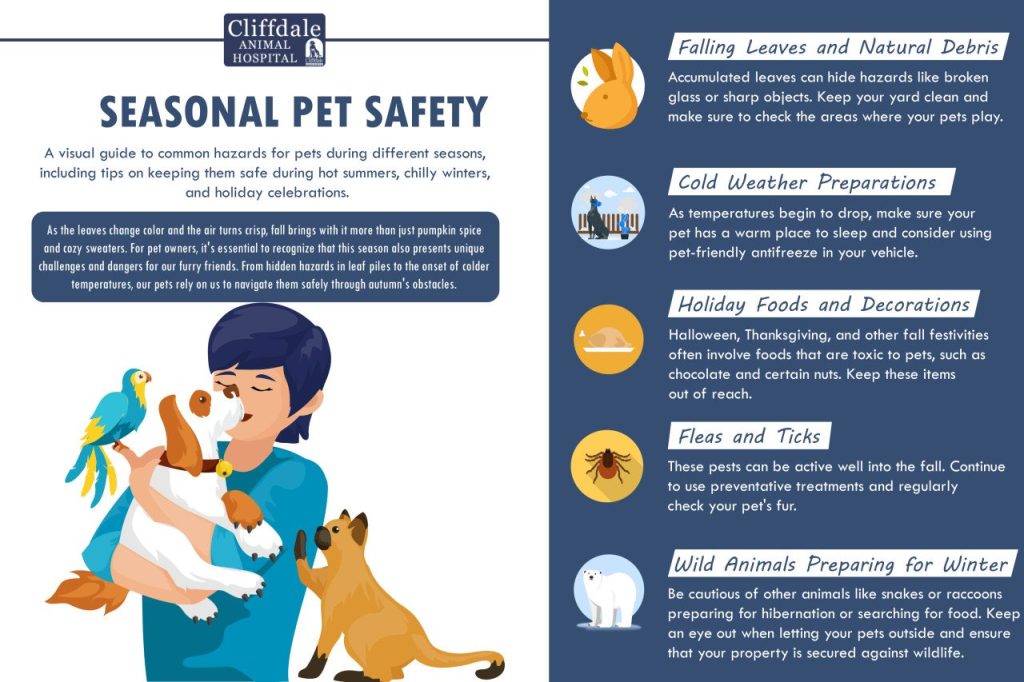
To keep your home environment secure, you should remove toxic plants, store cleaning chemicals in locked cabinets, and ensure small household objects are out of reach. These simple measures prevent accidental poisoning or choking, which are the most common risks for domestic animals in everyday living spaces.
Essential Home Hazards to Monitor
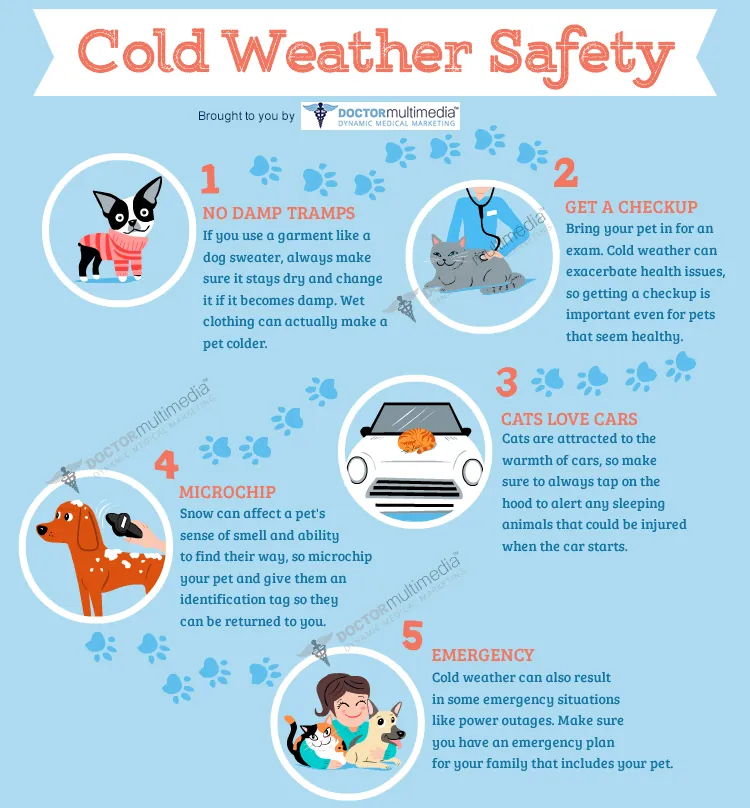
Many household items are harmful if swallowed or touched.
| Potential Hazard | Common Location | Risk Level |
|---|---|---|
| Cleaning agents | Under kitchen sinks | High |
| Lilies and ivy | Living room plants | High |
| Loose batteries | Junk drawers | Very High |
| Human medicine | Bathroom cabinets | Very High |
Beyond these items, ensure that all electrical cords are tucked away or covered with protective sleeves. Animals often chew on cables, which poses a serious burn or shock risk. If you notice a pet showing sudden lethargy, vomiting, or breathing difficulties, contact your veterinarian immediately for guidance.
How to Create a Secure Living Space
Follow these steps to reduce accidents.
- Secure all cabinets that contain household cleaners, soaps, or pesticides using child-proof locks.
- Clear floor spaces of small items like coins, paperclips, and elastic bands that look like toys but cause internal blockages.
- Inspect your houseplants against a list of known toxins, as many common indoor varieties can cause severe reactions.
- Hide electrical wires behind furniture or use plastic trunking to prevent chewing and potential electrical fires.
- Keep human medications in a high, closed cupboard rather than on bedside tables or open counters.
Tip: Before bringing a new plant home, check the ASPCA toxic plant list to confirm it won’t harm your cat or dog.
When to Seek Professional Advice
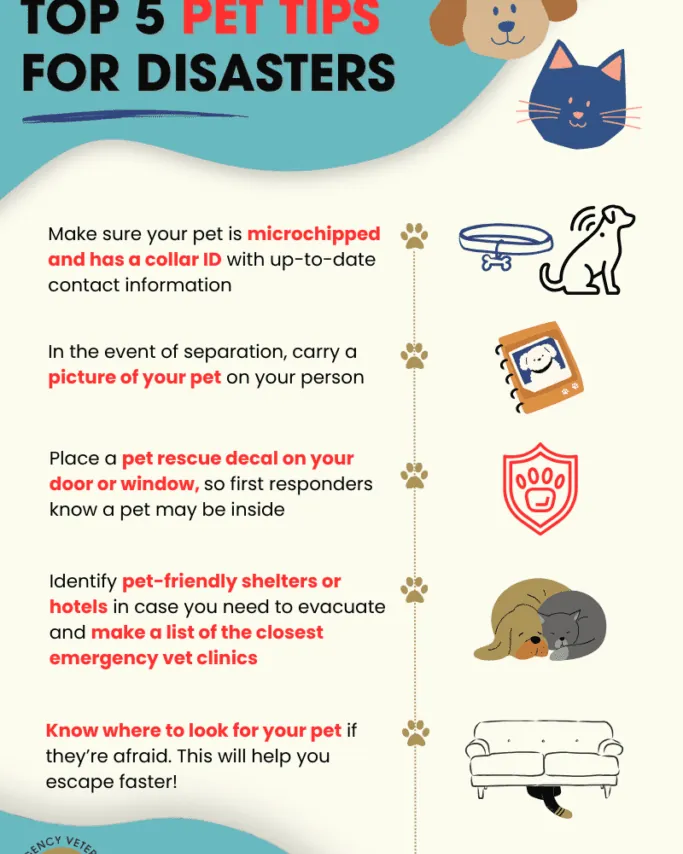
If you suspect your pet has ingested something dangerous, don’t wait for symptoms to appear. Time is often the most important factor in successful treatment. Call your vet or an emergency animal poison control centre right away to report exactly what was eaten and how much.
They’ll tell you if you need to visit a clinic or if you can monitor the situation at home. Never attempt to induce vomiting unless a professional specifically instructs you to do so, as this can sometimes cause more damage.
Frequently Asked Questions
Is it safe to use essential oil diffusers around pets?
No, many essential oils are toxic to animals when inhaled or touched. Some oils cause respiratory distress or liver damage, so it’s safer to avoid them in rooms where your pets spend most of their time.
How do I know if a plant is dangerous?
You should look up the specific plant species on a verified database rather than relying on common knowledge. Many plants that are safe for humans are poisonous to animals, even in small amounts.
Start by walking through your home today to see it from your pet’s eye level. Identify any loose cords or accessible cabinets and secure them immediately to prevent accidents before they happen.
Conclusion
Creating a safe haven doesn’t have to be overwhelming. You’ll feel much more relaxed once your space is truly secure. Why not walk through each room today to spot any hidden hazards? It’s a small effort that’ll give you peace of mind and keep your furry friend happy for years.


1 thought on “Pet Safety Guide: Essential Tips to Secure Your Home”