Keeping your home safe for animals involves removing toxic plants, securing loose wires, and storing household chemicals in locked cabinets. You’ll also need to monitor small items that could cause choking and ensure your garden is free from harmful pesticides to maintain a healthy environment for your furry companions.
Essential Household Hazards to Eliminate
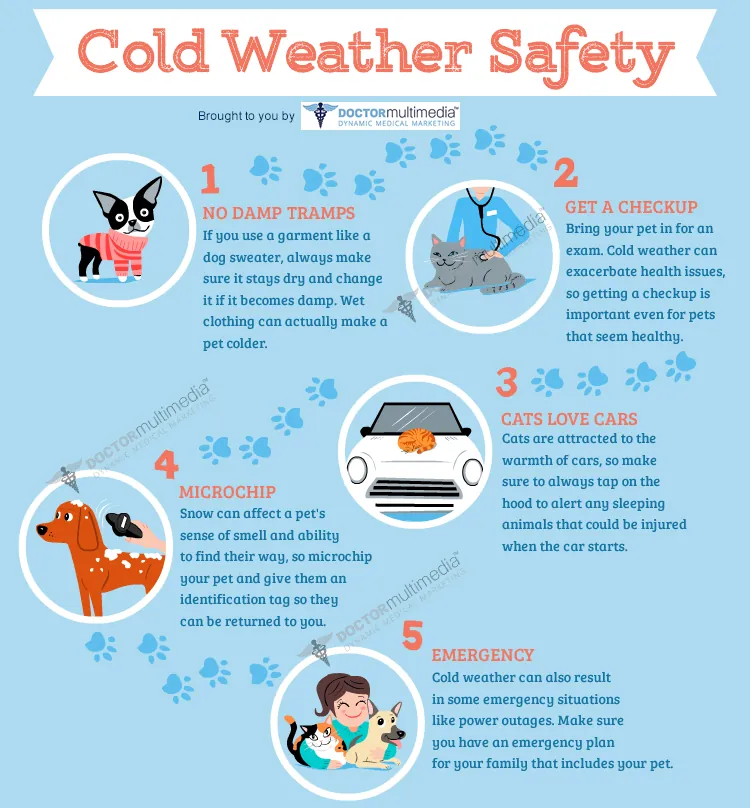
Many common items in your living space pose hidden risks to curious cats and dogs. You should check your home for these specific dangers to prevent accidental poisoning or injury:
- Toxic plants: Lilies, azaleas, and sago palms can be fatal if ingested by pets.
- Human food: Chocolate, onions, grapes, and products containing xylitol are toxic to animals.
- Chemicals: Cleaning agents, antifreeze, and medications must be stored on high, unreachable shelves.
- Small objects: Buttons, coins, and hair ties are frequent choking hazards that require immediate cleanup.
Tip: Keep a list of emergency vet contacts and the ASPCA animal poison control number saved in your phone for quick access during a crisis.
Comparing Indoor and Outdoor Risks
Different environments present unique challenges for your pets. Use this table to understand where you need to focus your attention based on where your animal spends its time.
| Hazard Type | Indoor Risk Level | Outdoor Risk Level | Primary Action |
|---|---|---|---|
| Toxic Plants | Moderate | High | Remove or fence off |
| Chemicals | High | Moderate | Lock in cabinets |
| Wildlife | Low | High | Use secure fencing |
| Electrical | High | Low | Cover loose cords |
When to Seek Professional Help
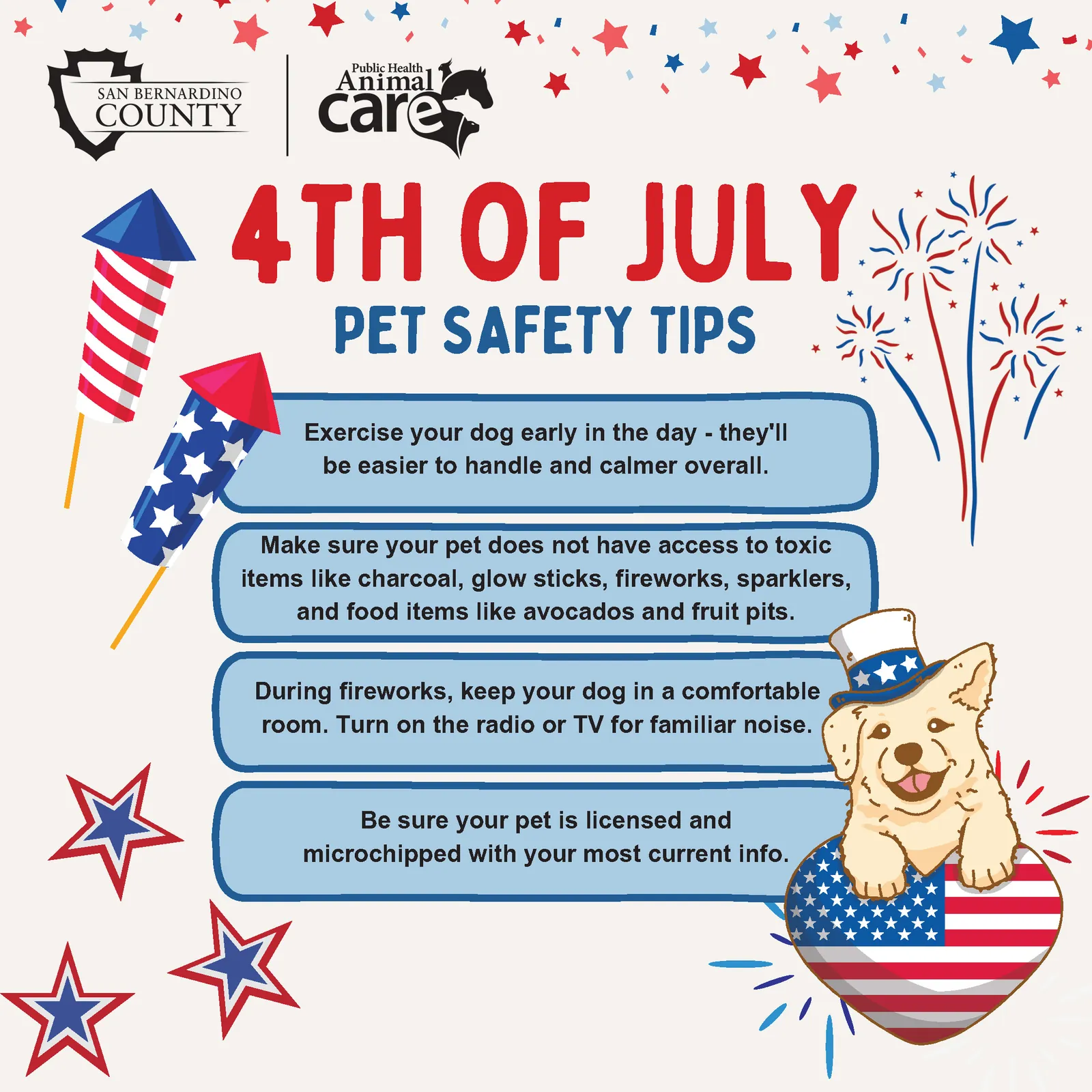
If you suspect your pet has eaten something harmful, don’t wait for symptoms like vomiting or lethargy to appear. Contact a veterinarian immediately if you find chewed packaging or notice an unusual smell on their breath.
Time is critical when dealing with toxins, and early intervention often makes the difference between a simple treatment and a serious emergency. Never try to induce vomiting at home unless a qualified medical professional specifically directs you to do so, as this can sometimes cause more harm than good.
Related guides
Frequently Asked Questions
Which household plants are the most dangerous?
Lilies are extremely toxic to cats and can cause kidney failure, while sago palms are highly poisonous to both dogs and cats. If you’re unsure about a plant, it’s safer to remove it or place it in a room your pet can’t access.
Is it safe to use essential oil diffusers?
Many essential oils, including tea tree, peppermint, and eucalyptus, are toxic to pets when inhaled or touched. You should always check if a specific scent is pet-safe before running a diffuser in your home.
How do I know if my pet has been poisoned?
Look for sudden changes in behaviour, such as drooling, vomiting, shaking, or difficulty breathing. If you see these signs or find evidence of a chewed container, call your veterinarian or an animal poison hotline right away.
Start by walking through each room to see your home from your pet’s eye level. Move any reachable hazards to secure storage today to create a safer space for your animals.
Conclusion
Creating a secure space shows your pets how much they’re loved. Take a walk through each room today to spot any hidden dangers you might’ve missed before. You’ll feel much better knowing your home is a truly safe haven where your best friends can relax, play, and grow comfortably by your side.